
Triumph
and
Grace
Soy
Decades of marketing have elevated the reputation of soy and soy products in the public mind as healthy plant-based protein sources, alternatives to meat and dairy.
However, soy also carries a lengthy list of health concerns that don’t disappear, even if the product label says it’s organic.
Below is a sampling of researcher findings to help you make your own decision about whether soy has a place in your diet. This includes soybeans and soy-derived products such as tofu, tempeh, edamame, miso, and soy milk, plus soybean oil.
Some of this content is from mainstream sites like Web-MD and much is from health advocacy and private research sources like the Weston A. Price Foundation and Dr. Eric Berg.
While ultimately you, the reader, will make your own choices, the author acknowledges a bias against industrialized and chemically treated food.
Soy and Your Hormones
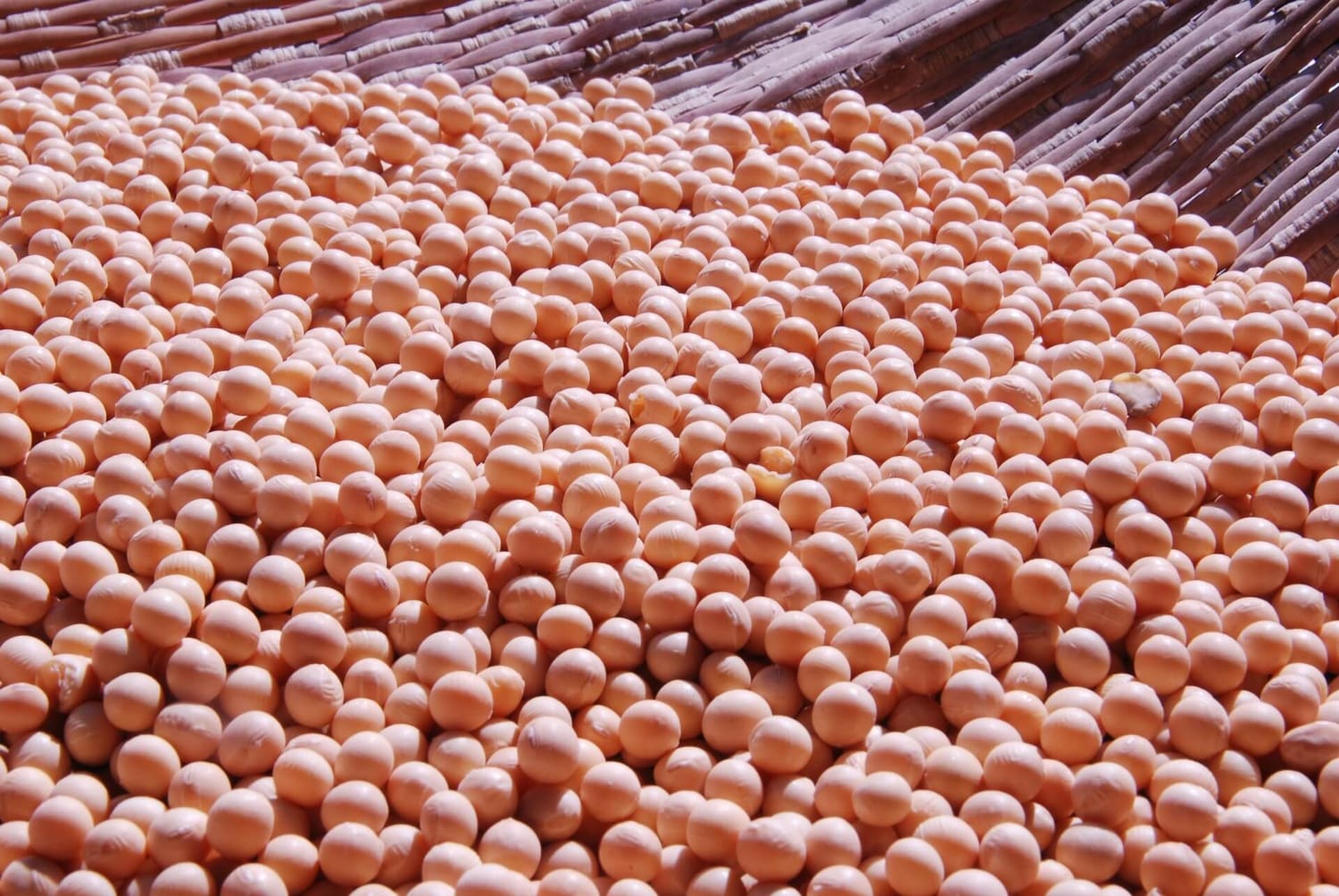
Soybeans naturally contain isoflavones [genistein, daidzein], which are plant-derived flavonoids. These act as phytoestrogens because they can mimic or modulate estrogen activity in the body through interaction with its estrogen receptors. Some observed effects include the following.
While some women report relief from menopausal hot flashes, other researchers raise concerns about endocrine disruption, fertility problems, and a possible link to hormone-sensitive cancers.
These same phytoestrogen compounds are described as antithyroid agents, potentially contributing to hypothyroidism.
For infants and soy-based baby formulas, the Weston A. Price Foundation has numerous articles claiming that there are damaging results to growing bodies, specifically changes in thyroid antibody markers, growth problems, and autoimmune thyroid concerns.
These formulas expose infants to far higher levels of isoflavones relative to body weight than an adult would ever get from whole soy foods.
Perhaps quite significantly, a study, published in the Cancer journal, followed more than 6,000 breast cancer patients and found no increase in risk from soy. In fact, they saw a 21% lower risk of death than those who ate very little isoflavones.

The Anti-Nutrient Problem
Nutrient absorption difficulties apply to organic soybeans just as much as conventional ones.
Soybeans are particularly high in phytic acid, which binds to calcium, iron, magnesium, and zinc and blocks the body from absorbing them.
Unlike most legumes, ordinary soaking, sprouting, or slow cooking do not neutralize these phytate levels.
Soy also contains trypsin and protease inhibitors, which are enzymes that interfere with protein digestion. This can cause bloating or gas when eaten in excess, as well as reduced amino acid uptake.
Fermentation [miso, tempeh, natto] is the one processing method that reliably breaks down phytates.
Soybean Growth and Processing
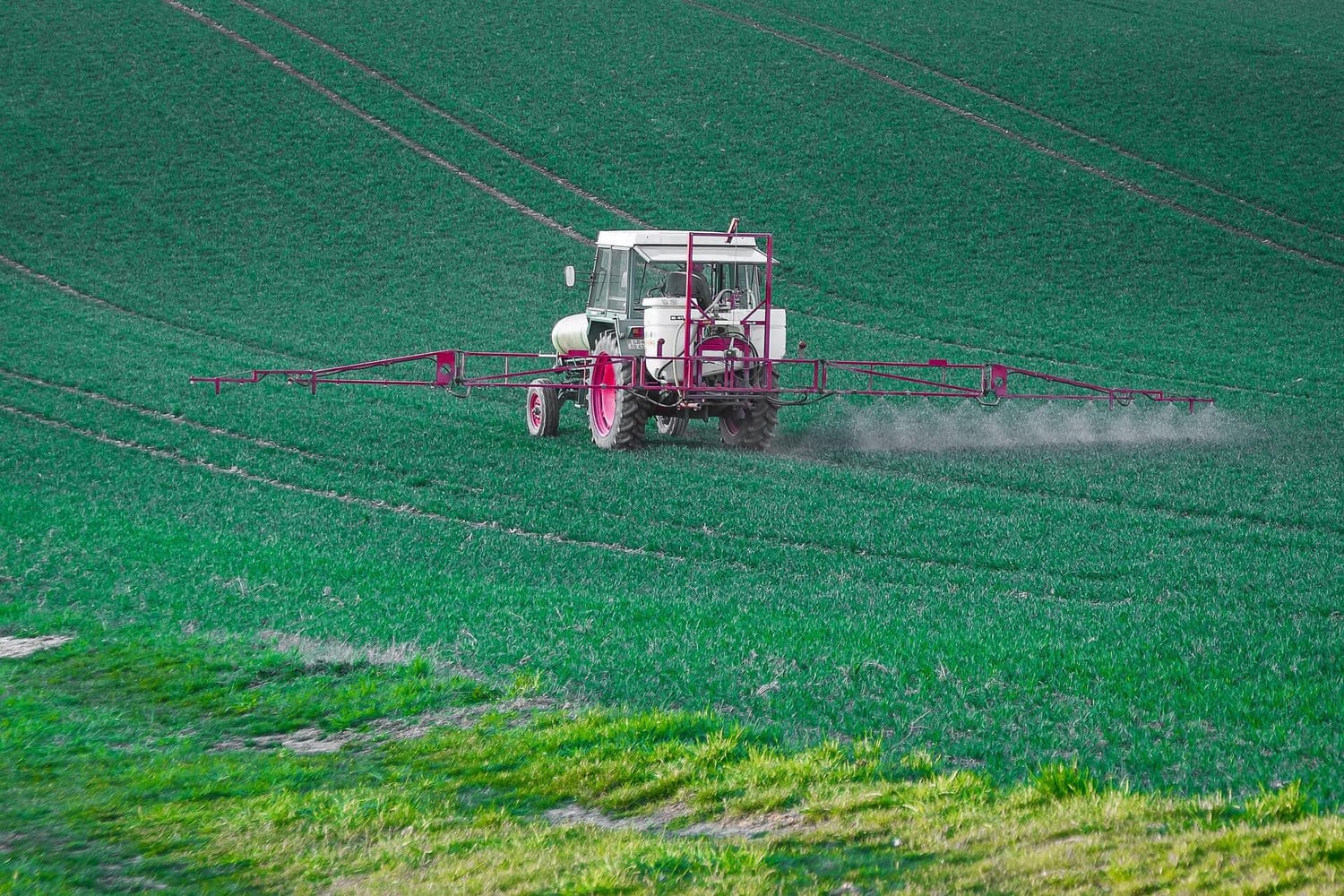
Apart from the soybean itself, we must look at how it is grown and processed on an industrial scale.
About 94% of U.S. soybeans are genetically modified to tolerate glyphosate-based herbicides. Residue testing has found GMO soybeans retain measurably higher glyphosate levels than organic ones.
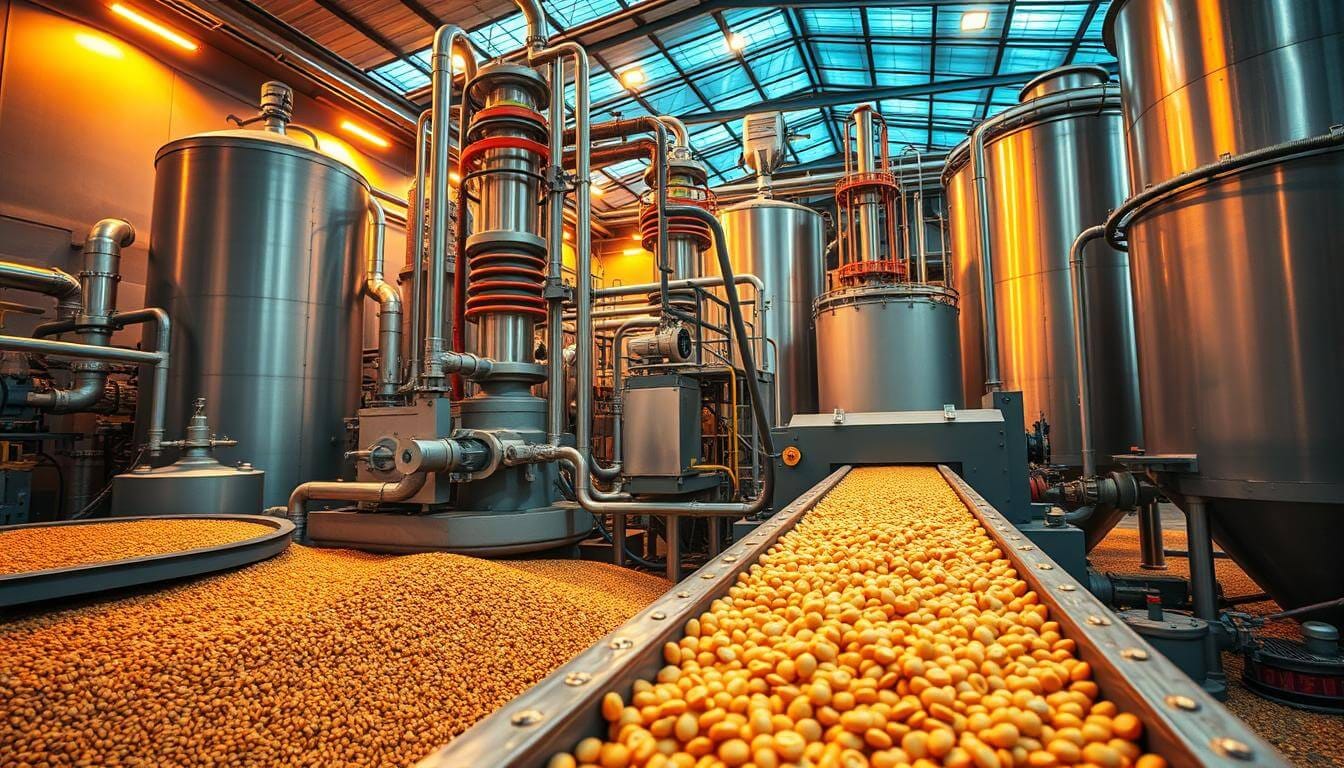
Hexane, a petrochemical and neurotoxic solvent derived from gasoline refining, is commonly used to extract both soy protein isolate and textured vegetable protein.
This solvent is classified by the EPA as a hazardous air pollutant, yet the extraction practice is not always excluded to qualify the output as organic or made with organic ingredients on the label.
The high-heat processing used to make these isolates can denature proteins and generate byproducts, including trace amounts of compounds like lysinoalanine and nitrosamines.
Some sources also flagged elevated aluminum content in processed soy foods which is toxic to the nervous system and kidneys.
This is the strongest argument for reading labels carefully: whole soy foods like edamame, tofu, and tempeh are minimally processed and rarely involve hexane, while soy protein isolate, soy lecithin, and textured vegetable protein almost always come from the industrial end of the supply chain.
The Cornucopia Institute’s scorecard will provide guidance. Click here.
Inflammation and Allergies
Soybean oil has a notably high omega-6 to omega-3 ratio [roughly 7.5:1] and diets skewed heavily toward omega-6 are linked to inflammation and weight gain.
Since soy oil is used widely in fried and processed foods, it is a major and invisible contributor to the omega-6 overload in the average American diet, a shift that has been linked to low-grade chronic inflammation.
[See Triumph and Grace article for more on omega-6. Click here.]
Soy allergy symptoms range from mild [hives, stomach cramps] to severe [throat swelling, breathing trouble], and people with peanut allergies are more likely to also react to soy.
A more obscure reaction called oral allergy syndrome can affect people with birch pollen allergies, who may get an itchy throat or "burning" sensation even from processed soy milk.
Soy fiber and oligosaccharide [carbohydrate polymers] content are a common cause of gas and bloating.
What to Do?
Soy cannot be uniformly praised or condemned in a single verdict. There is a spectrum.
A cup of edamame, a scoop of soy protein isolate, and a bottle of soybean oil are chemically and nutritionally different products, though they all originate from the same bean.
If you are going to keep soy in your diet, the research points toward the same simple guidance. Choose whole, minimally processed, and ideally fermented soy foods. Watch out for hidden soy protein isolates and oils in packaged goods.
Consider alternatives to soy-based infant formula for your baby.


References
Soy Alert – Weston A. Price Foundation
14 Side Effects of Soy | Eat This Not That
Soy: Uses, Side Effects, Interactions, Pictures, Warnings & Dosing - WebMD
Soy Report and Scorecard - Cornucopia Institute
Soy and Man Boobs: What the Clinical Evidence Really Shows
Is Soy High in B12? The Truth for Your Vegan Diet
Dietary isoflavone intake and all‐cause mortality in breast cancer survivors
Hidden Dangers of Soy & How Does it Affect Your Body – Dr. Berg
Soy Is One of the Healthiest Foods You Can Eat...Right?
Dirty Little Secret in Natural Soyfoods Industry - Toxic Chemical Use

Hi, I'm Ellen...
... and I am a writer, educator, and adventurer. I believe that life is the grand odyssey that we make of it.
I would like to help you live a truly magnificent and happy life no matter your age and current situation.
You deserve to experience your hero’s journey to its fullest.
What are you waiting for?
There is only now and the next choice.
Subscribe to my email list here
your privacy is protected and you can unsubscribe any time
Subscribe to the Triumph and Grace newsletter
your privacy is protected - unsubscribe any time