
Triumph
and
Grace
Non-Stick Cookware
Over 70 years ago Teflon changed the cooking experience for millions – a non-stick surface that let eggs slide right off the pan, no scrubbing required, no messy cleanup – it was a miracle for the kitchen. Or was it?
In 1938, a DuPont chemist accidentally discovered a waxy, virtually indestructible substance while experimenting with refrigerants. That compound – polytetrafluoroethylene or PTFE – would later be branded as Teflon.
Initially used for military and industrial applications, it made its way into American kitchens in the 1950s, marketed as the effortless solution to cooking and cleanup.
The manufacture of PTFE required another chemical: PFOA (perfluorooctanoic acid). PFOA didn't end up in the final cookware surface, but it contaminated water supplies, accumulated in the human body, and was linked to cancer, infertility, liver damage, and more.
A 1999 study found PFOA detectable in the blood of 98% of Americans, largely due to environmental contamination including massive industrial dumping near the Ohio River Valley.
It took over half a century and mounting lawsuits before U.S. companies phased out PFOA by 2013. But there's a catch: the non-stick coating itself – PTFE – stayed.
Manufacturers simply swapped PFOA for newer chemicals in the same family and slapped PFOA-free labels on their products.
The marketing changed. The risks did not.
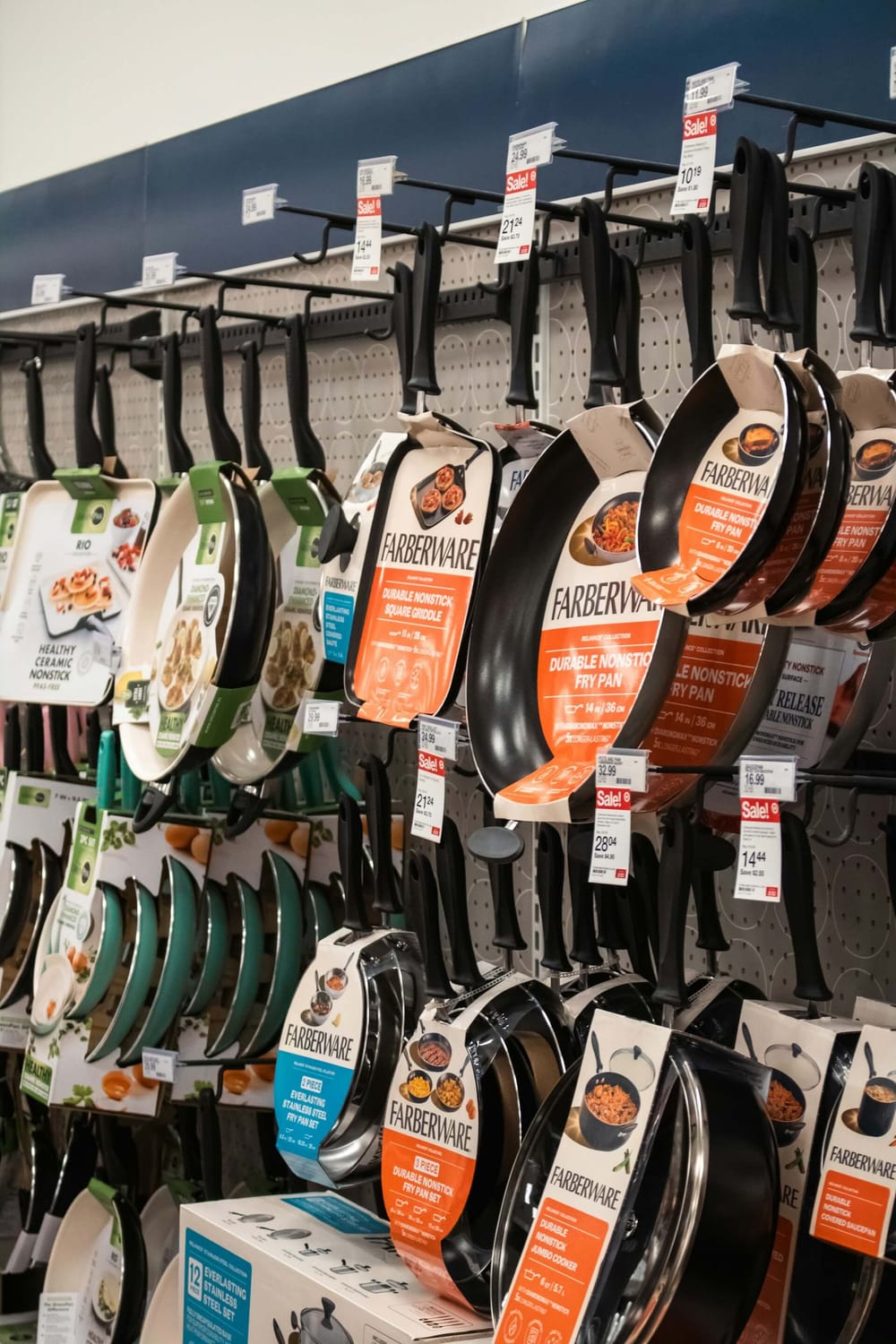
PFOA and PTFE both belong to the broader class of chemicals known as PFAS (per- and polyfluoroalkyl substances) – a family of over 15,000 synthetic compounds.
They share one defining trait: they don't break down. Ever.
They’re known as forever chemicals, and they've been detected in polar bear fat, deep ocean fish, and the blood of virtually every human on Earth.
Documented health effects of PFAS exposure include:
Increased risk of kidney, testicular, and prostate cancers
Infertility and reproductive disruption
Developmental delays and low birth weight in children
Reduced immune response
Thyroid dysfunction
PTFE coatings begin to break down at around 482°F / 250°C – a temperature easily reached on an ordinary stovetop.
When overheated, pans release toxic fumes that can cause polymer fume fever, sometimes called Teflon flu: a flu-like illness often misdiagnosed.
For pet birds with sensitive respiratory systems, these fumes can be fatal.
There is yet another major concern: microplastics. A 2022 study found that a single scratch on a non-stick coating can release up to 9,100 plastic particles into food. A cracked coating can release up to 2.3 million microplastic and nanoplastic particles.
These particles accumulate in the body and resist degradation, linking them to oxidative stress and inflammation.
PFAS are also endocrine disruptors, i.e., they interfere with hormones. This affects fertility, thyroid function, metabolism, immune balance, and cognitive health.
Children and pregnant women face the greatest risk, with evidence linking in-utero PFAS exposure to ADHD, metabolic dysfunction, and decreased semen quality in adulthood.

When PFOA came under regulatory scrutiny, manufacturers didn't eliminate the hazard – they rebranded it. PFOA was replaced with GenX and other chemicals in the same PFAS family.
These newer compounds carry similar toxic profiles, but because they were unknown, there was no consumer backlash.
Toxicologists call this pattern regrettable substitution: swapping one harmful chemical for another that's equally dangerous but less scrutinized.
The labeling tactics are equally misleading. Terms like PFOA-free, eco nonstick, professional-grade nonstick, and advanced coating technology can imply safety without disclosing whether PTFE or other PFAS chemicals are present.
Nearly 80% of nonstick cookware still contains PTFE today – including products marketed as Teflon-free, which simply dropped the brand name while keeping the same compound.
A 2022 class-action lawsuit against Made In Cookware alleged the company marketed its PTFE-coated pans as 100% non-toxic while third-party testing detected PFOA, documented PTFE particle shedding, and showed visible scratching and flaking in normal consumer use.
HexClad, heavily promoted as safe cookware, has also faced lawsuits for misleading non-toxic claims despite containing PTFE.
Consumer Reports, the Environmental Working Group, and independent labs have all documented a significant gap between brand messaging and actual material safety.
The damage extends beyond your kitchen. Once thrown away, non-stick cookware doesn't neutralize – PFAS persist indefinitely in soil, air, and water. They've contaminated drinking water systems across the United States and are detectable in the blood.
Replacement chemicals like GenX have already been found in residential water supplies. Firefighting foams, food packaging, carpet treatments, and agricultural runoff all contribute additional PFAS exposure – so even people who've never owned a Teflon pan carry these chemicals in their bodies.
California now requires PFAS disclosure on cookware labels. Maine plans to ban all non-essential PFAS by 2030. France banned PFAS-containing cookware outright in 2025. The European Union is considering sweeping restrictions. The United States, however, still has no federal ban on PTFE in cookware.
There are solutions – ways to heal your body and reduce further toxicity.
Support your body's natural detox pathways. The liver plays a central role in processing and eliminating PFAS. Cruciferous vegetables – broccoli, kale, Brussels sprouts, arugula, and radishes – support what's called bile transformation: the body's process of converting toxic compounds into particles that can be safely eliminated.
Filter your water. PFAS contamination in drinking water is widespread. Using a certified PFAS-reducing filter (such as reverse osmosis) can reduce ongoing exposure.
Swap your cookware strategically. You don't need to do it all at once – start with your most-used pan.
Cast iron is naturally non-stick when well-seasoned – it’s chemical-free, nearly indestructible, and adds dietary iron to food.
Stainless steel is durable, non-reactive, and fully PFAS-free. When you preheat the pan and use oil, it's easy to cook with and it’s one of the most versatile, long-lasting options available.
Pure ceramic cookware (not ceramic coated) is made entirely of ceramic fired at high temperatures. However, pure ceramic doesn't work on induction stoves, so cast iron or stainless steel are better options for most.
What to look for on labels: Genuinely safe cookware will clearly state PFAS-free, PTFE-free, or free from all fluorinated chemicals, often with third-party certifications to back it up. If a brand lists a proprietary coating without specifics, treat that as a red flag.
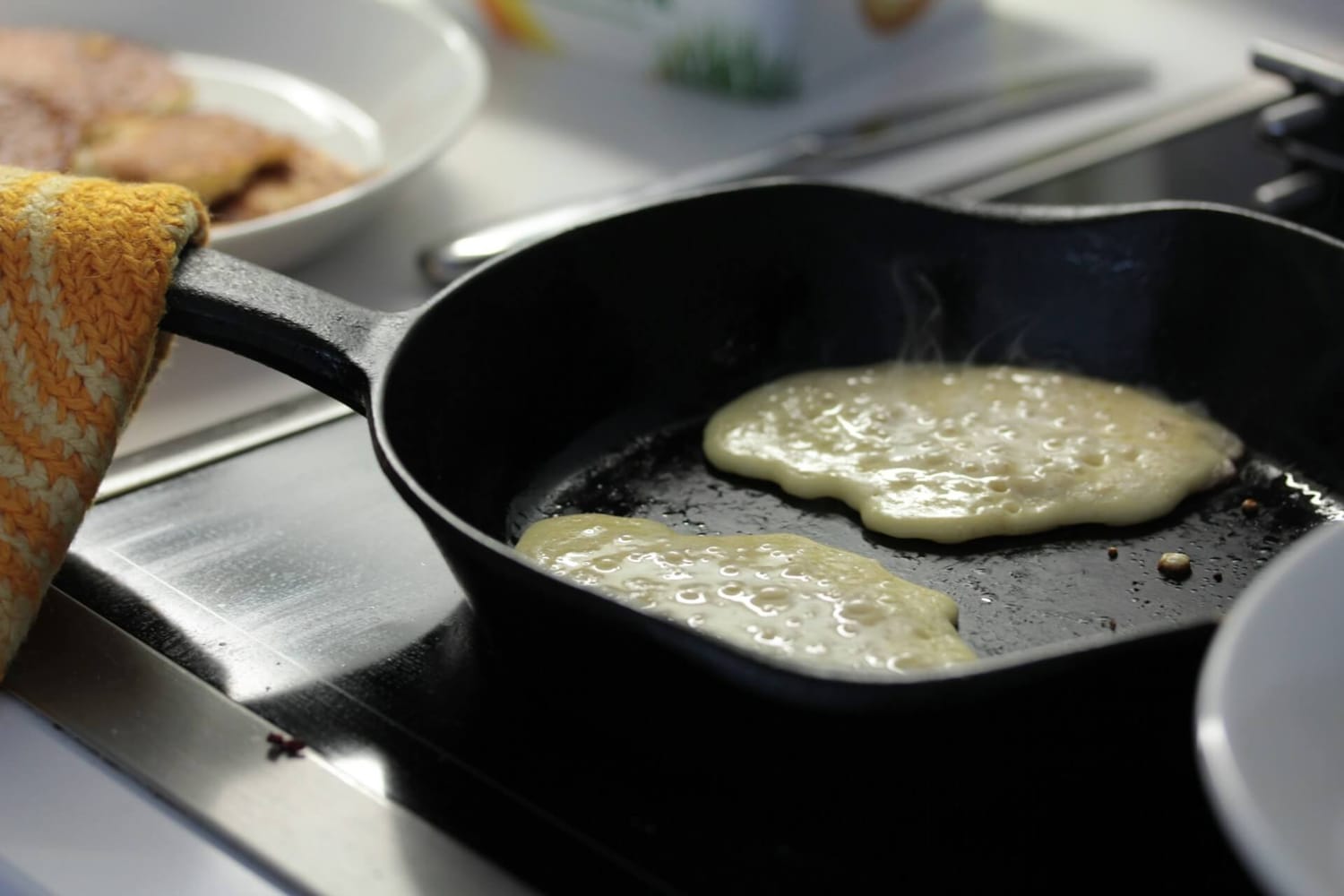
This isn't about panic or fear – it's about being informed. When you understand what's behind the label, you can make choices that protect your health and your family's.
Start with one swap. Filter your water. Eat cruciferous vegetables.
Progress in small steps.
The greatest wealth is health. ~Ralph Waldo Emerson

References
Is Teflon Cookware Safe in 2026? What You Need to Know About PFAS & PTFE
Is It Safe to Use Products Containing Teflon Coating?
The Truth About Nonstick Cookware: Teflon
Toxicologist Reveals: Are Non-Stick Pans Slowly Poisoning You?
Worst Cookware Lurking in Your Kitchen to Toss Right NOW From a Toxicologist

Hi, I'm Ellen...
... and I am a writer, coach, and adventurer. I believe that life is the grand odyssey that we make of it.
I would like to help you live a truly magnificent and happy life no matter your age and current situation.
You deserve to experience your hero’s journey to its fullest.
What are you waiting for?
There is only now and the next choice.
Subscribe to my email list here
your privacy is protected and you can unsubscribe any time
Subscribe to the Triumph and Grace newsletter
your privacy is protected - unsubscribe any time