
Triumph
and
Grace
Nail Polish and Acrylic Nails
Wherever you look in the modern world, you’ll see women are wearing nail polish on their fingers and toes, often paired with acrylic nails in a wide variety of colors and styles.
An estimated 62% of women in the US get a manicure each month, and the global industry revenue tops $12 billion.
Manicures and pedicures can make you feel pretty, pampered, and special. They are a common ritual among friends and social groups.
Research also suggests that about 92% of products used in nail polish, gels, and acrylics contain chemicals that carry health risks.
Here is a closer look at what those chemicals can do to your nails and your body.
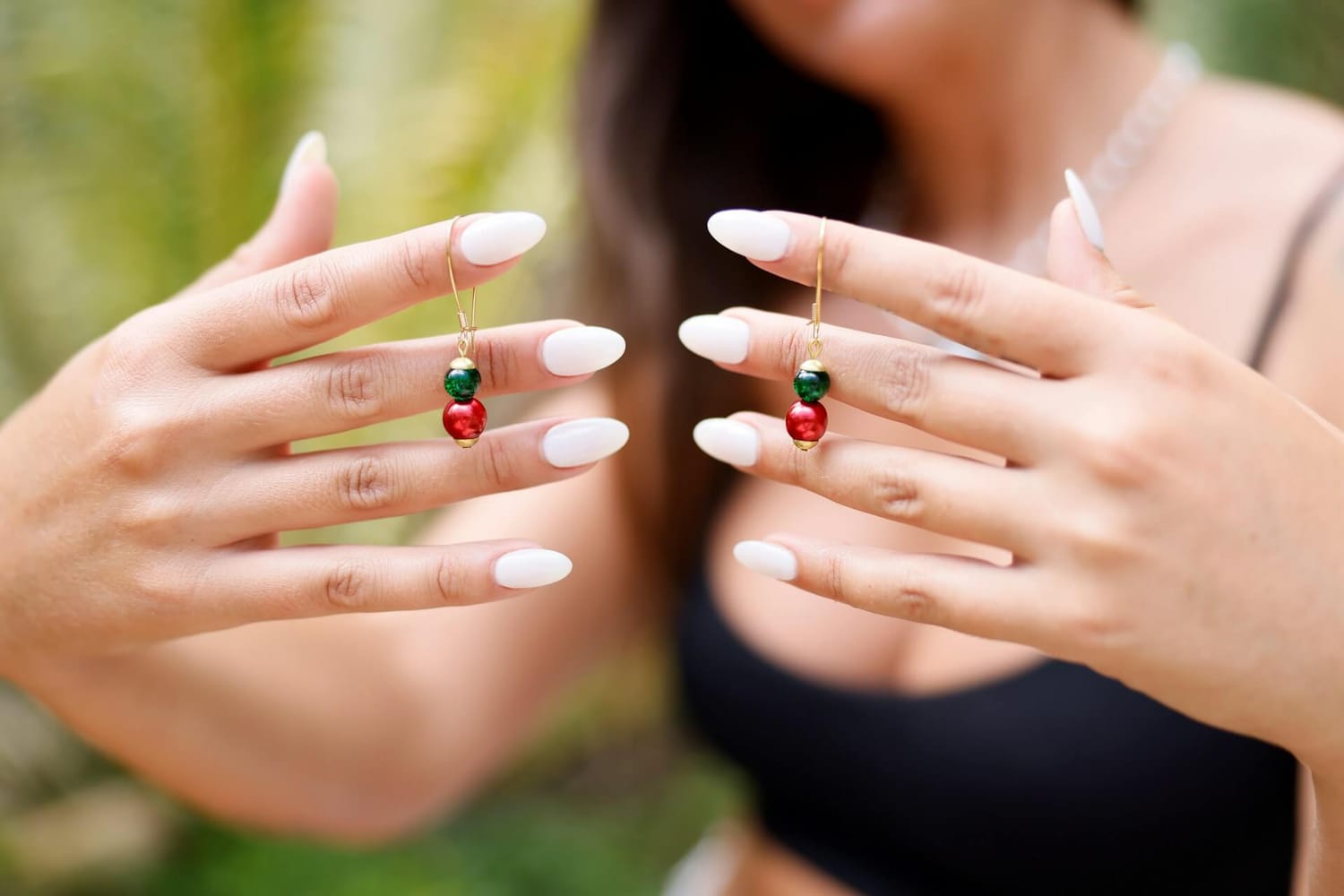
Acrylic Nails
Acrylic nails are made by mixing a liquid monomer [ethyl methacrylate] with a powdered polymer [polymethyl methacrylate] to form a paste via a chemical reaction called polymerization.
A nail technician files down the surface of your natural nail to make it rough, then shapes the acrylic paste on top.
Over time, your nail plate can be damaged both by the removal process, which typically involves soaking in acetone, and by the repeated filing, often done with a rotary tool.
There are chemical ingredients and processes that pose risks.
Methacrylate monomers: the compounds that harden both acrylics and gels can irritate your skin, leading to dermatitis and blistering. This irritation can spread to your eyes if you rub them after a manicure.
Nail separation: this occurs when the acrylic bonds more strongly to your nail plate than your nail plate bonds to the nail bed beneath it. Everyday actions like typing and cooking put stress on that connection and can cause the nail to lift, which can easily lead to a bacterial or fungal infection.
Solvents and plasticizers: the compounds that help acrylics and gels dry are linked to respiratory irritation and, at high exposure, possible neurological effects.
Phthalates: used for plastic flexibility. These have been tied to diabetes, obesity, and reproductive issues in exposure research.
Adhesive compounds: the adhesive that bonds acrylic to your nail is typically a mix of alcohol, cyanoacrylate, photo-bonded methacrylate, and often formaldehyde.

Nail Polish
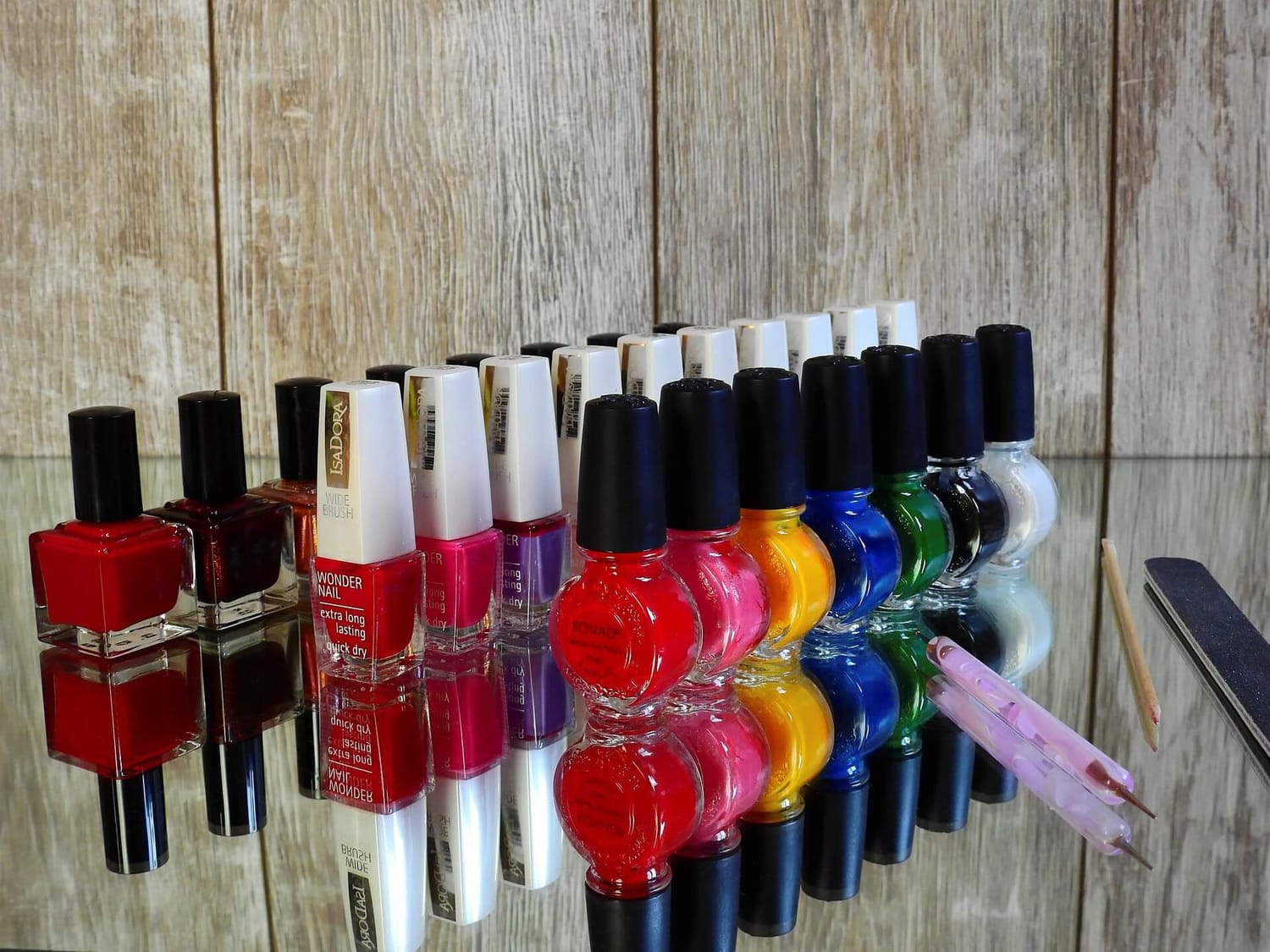
Research on nail polish also raises concerns about its chemical ingredients.
Azo Compounds in Pigments: some polish colorants can break down into aromatic amines that are potentially toxic or carcinogenic.
Formaldehyde: an industrial chemical and recognized carcinogen, used as a hardening agent. With prolonged or frequent use, in both nail polish and acrylics, it can also cause brittleness, discoloration, nail lifting, and skin irritation.
Toluene: a solvent that helps polish apply smoothly and nails dry faster. It is linked to headaches, dizziness, drowsiness, and incoordination. With acute exposure, it has been tied to neurological effects such as memory loss, cognitive impairment, and nervous system damage.
Dibutyl phthalate [DBP]: a flexibility agent linked to hormone disruption, particularly reproductive and developmental impacts.
TPHP [triphenyl phosphate]: a plasticizer used to keep nail polish flexible and prevent cracking. It is also a flame-retardant and hormone disruptor, found in women’s bodies 10 hours after a manicure, per a Duke University study.
The hundreds of thousands of technicians working at nail salons face much deeper exposure to these chemical fumes, and most salons do not meet the ventilation guidelines needed to keep the air clear. As a result, many of these workers experience eye, nasal, and lung irritation by the end of each day.
A 2021 study of over 43,000 mothers found that nail technicians in early pregnancy were three times more likely to have infants with congenital heart defects. The sample of technicians was proportionally small, so the finding is preliminary, but it is a signal that points to the need for preventive measures.
What Can You Do?
Do you love your manicured nails and can't imagine giving them up? You don't have to, but a few swaps and habits can lower your exposure.
Go bare and buff: for a completely natural, non-toxic option, a quality nail buffer and shine block can give your nails a healthy sheen without any chemicals at all.
Choose non-toxic polish: look for traditional polish brands that skip filing, monomers, and a UV lamp entirely. Seek out brands that exclude the chemicals listed above, and always check ingredient lists and look up their side effects.
Try press-ons: these can give you the same look as acrylics without the risk of nail separation.
Consider dip powder: it's stronger than nail polish and more flexible than acrylic.
Check salon ventilation: if you visit a salon, make sure the space is well-ventilated.
Ask about removal: find out how products are removed and avoid aggressive rotary filing.
Let a professional remove acrylic: doing it yourself tends to cause more damage than letting a trained tech handle it.
Give your nails a break: allow time between sets of acrylics or polish so your nails can recover.


References
The toxic truth about acrylic nails | University of Nevada, Reno
The Dark Side of Acrylic Nails: What Your Nail Salon Won't Tell You
Are Acrylic Nails Bad for Your Nails and Skin?
Gel Manicures and Acrylic Nails: The Ugly Health Risks - Dermatology Advisor
Nail Salon Industry Statistics 2026 | 90+ Verified Stats
Dangers of Gel and Acrylic Nails | A Doctor’s Perspective
8 Nail Polish Brands With the TOXIC TRIO (And 3 That Are Safe)

Hi, I'm Ellen...
... and I am a writer, educator, and adventurer. I believe that life is the grand odyssey that we make of it.
I would like to help you live a truly magnificent and happy life no matter your age and current situation.
You deserve to experience your hero’s journey to its fullest.
What are you waiting for?
There is only now and the next choice.
Subscribe to my email list here
your privacy is protected and you can unsubscribe any time
Subscribe to the Triumph and Grace newsletter
your privacy is protected - unsubscribe any time