
Triumph
and
Grace
Breast Implants
Breast augmentation has become the most popular cosmetic surgical procedure in the United States. It accounts for 16.5% of all plastic surgery procedures for women, with an estimated one in 26 women now having implants.
For several decades, breast implants have been marketed as safe, glamorous, and empowering. Advertisements promise boosted confidence, better body image, femininity, and social approval.
But beneath the glamor lies a much darker truth: tens of thousands of women worldwide have reported debilitating health problems linked to their implants. This condition, known broadly as breast implant illness [BII], has contributed to a 47% increase in implant removals.
Let’s take a closer look.
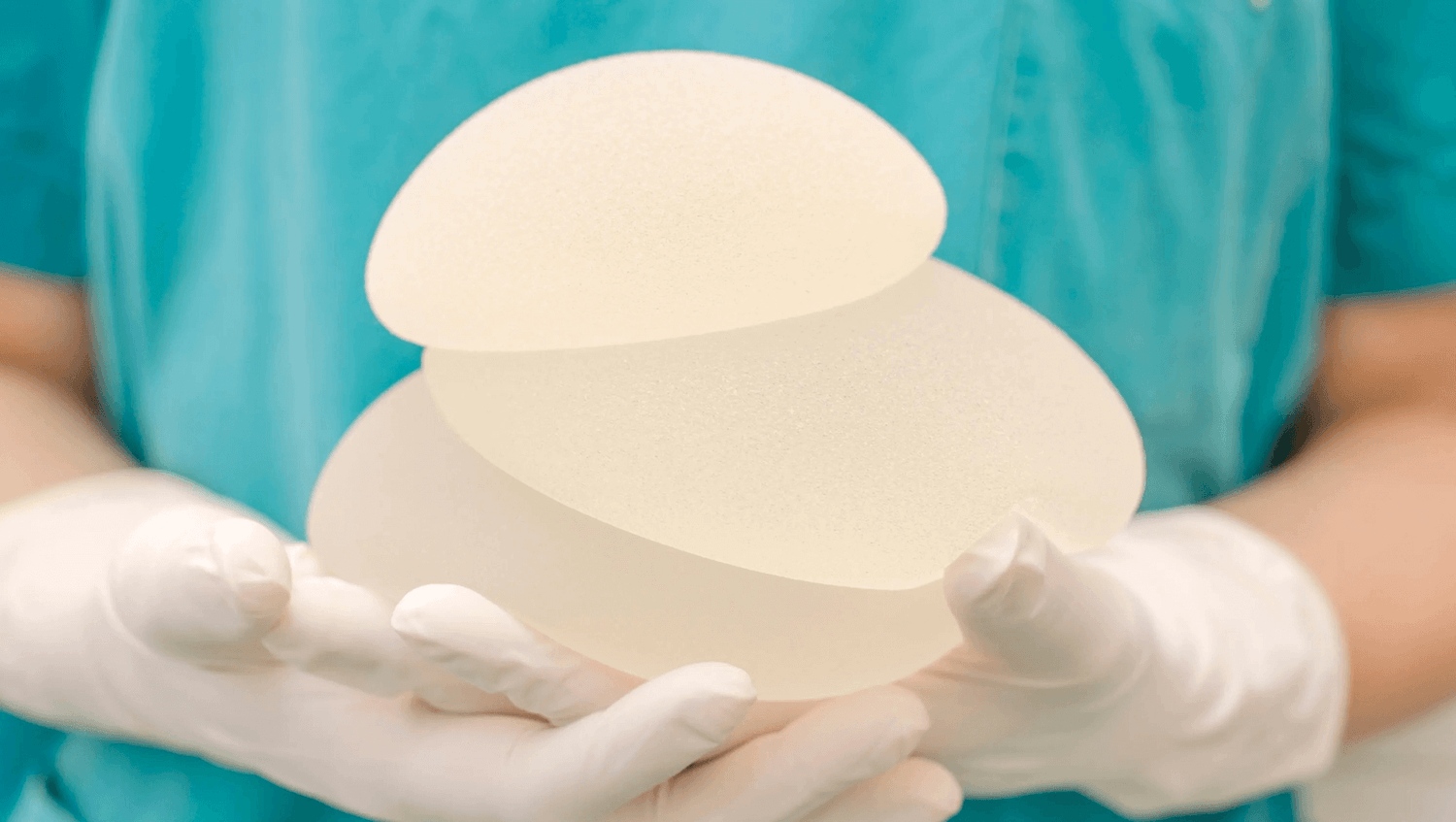
Breast implants entered the U.S. market in the 1960s. The beauty industry, fueled by Hollywood and advertising, equated larger breasts with desirability, success, and status.
Today, social media has amplified these pressures: filtered influencers, celebrities, and reality TV stars often showcase perfect bodies, normalizing surgical enhancement.
Breast augmentation ranks among the top five cosmetic surgeries in the U.S. Recent statistics:
80% of breast implant surgeries are for cosmetic reasons.
20% are reconstructive, often after mastectomy.
400,000 women in the U.S. undergo breast augmentation or reconstruction each year.
Over 3.6 million women currently have implants.
The global breast implant market is valued at over $2 billion annually.
The procedure is so normalized that most women receive minimal consultation time and inadequate information about the long-term risks. Patients often treat the decision casually, despite its permanent implications.
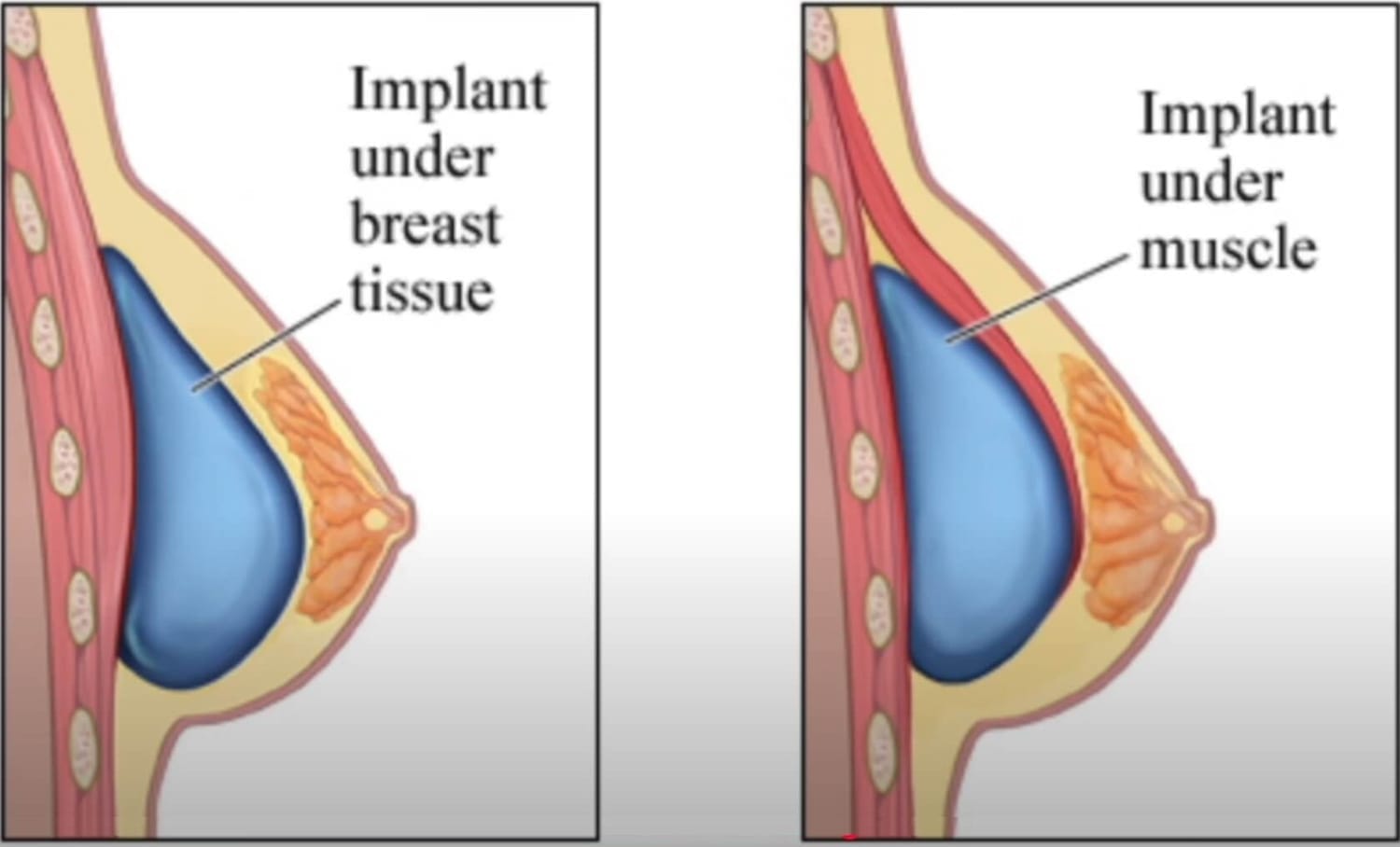
Breast Implant Illness
Breast implant illness [BII] encompasses a variety of symptoms that don't affect every woman the same way. Thousands have reported:
Systemic issues: Chronic fatigue, inflammation, autoimmune conditions, hormonal imbalances
Physical symptoms: Hair loss, skin rashes, joint and muscle pain, respiratory problems
Neurological effects: Brain fog, memory issues, anxiety, depression
Immune system disruption: Recurring infections, reactivation of dormant viruses like Epstein-Barr
BII isn't officially recognized by doctors or the FDA as a medical condition. Women report seeing dozens of specialists without receiving proper diagnosis or treatment, with many doctors dismissing their symptoms as psychological.
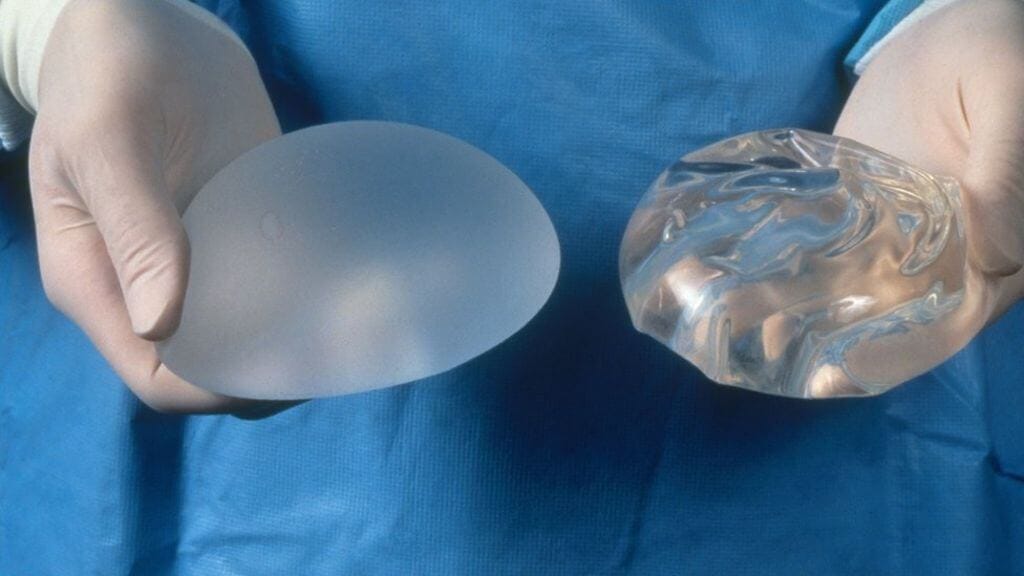
Implants, whether silicone or saline, are encased in shells containing dozens of chemicals that can leach into the surrounding tissue. These include:
Arsenic
Tin [used as a curing catalyst]
Methyl ethyl ketone [a solvent also used in automotive work]
Heavy metals like platinum
Industrial-grade silicones
Elevated levels of these substances in the blood can lead to neurological symptoms and systemic illness.
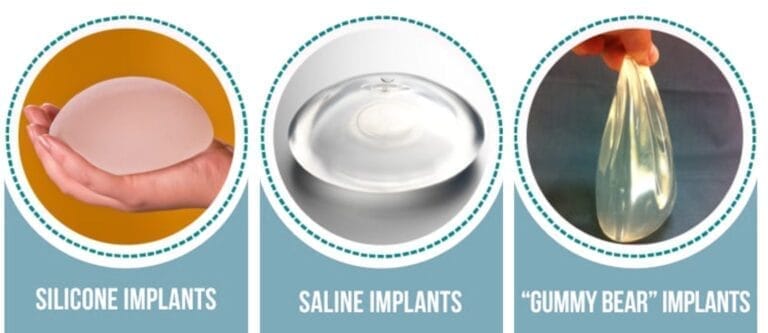
Physical Complications
Capsular Contracture: The body forms scar tissue around any foreign object, including implants. This capsule can harden and compress the implant, causing pain and deformity. Grades range from undetectable to severely visible and painful.
Structural Damage: Implants, particularly when placed under the pectoral muscle, can cause:
Rib deformation and flattening
Muscle damage and thinning
Nerve damage leading to numbness or chronic pain
Breast tissue atrophy from continuous pressure
Silicone Migration: Even "intact" implants can leak silicone through gel bleed, with silicone found in lymph nodes, liver, spleen, and lungs years after implantation.
Breast Implant-Associated Anaplastic Large Cell Lymphoma [BIA-ALCL]: Certain breast implants have been linked to anaplastic large cell lymphoma [ALCL], a rare cancer affecting immune system cells. Other factors:
Linked primarily to textured implants.
For some, mortality rates reach 50% within six months.
Despite global recalls of certain implant brands, hundreds of thousands of women still have them in their bodies.
Lymphatic System: Breast implants can significantly impact lymphatic function by acting as physical barriers to natural fluid flow. This dam effect can cause:
Stagnant lymphatic drainage
Reduced oxygen flow to the brain
Compromised immune function
Accelerated aging due to toxin accumulation
Implant rupture: Silicone leaks can silently spread through the body.
Chronic infections: implants can disrupt immune function.
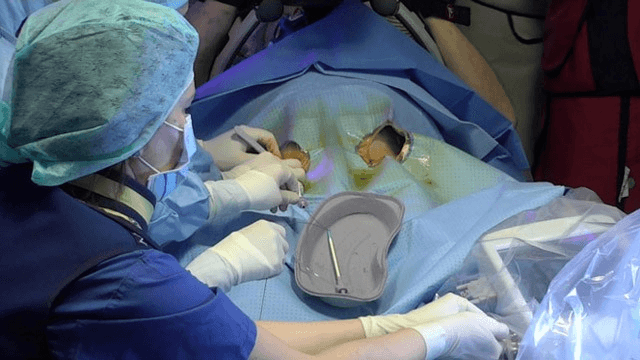
Surgical Realities
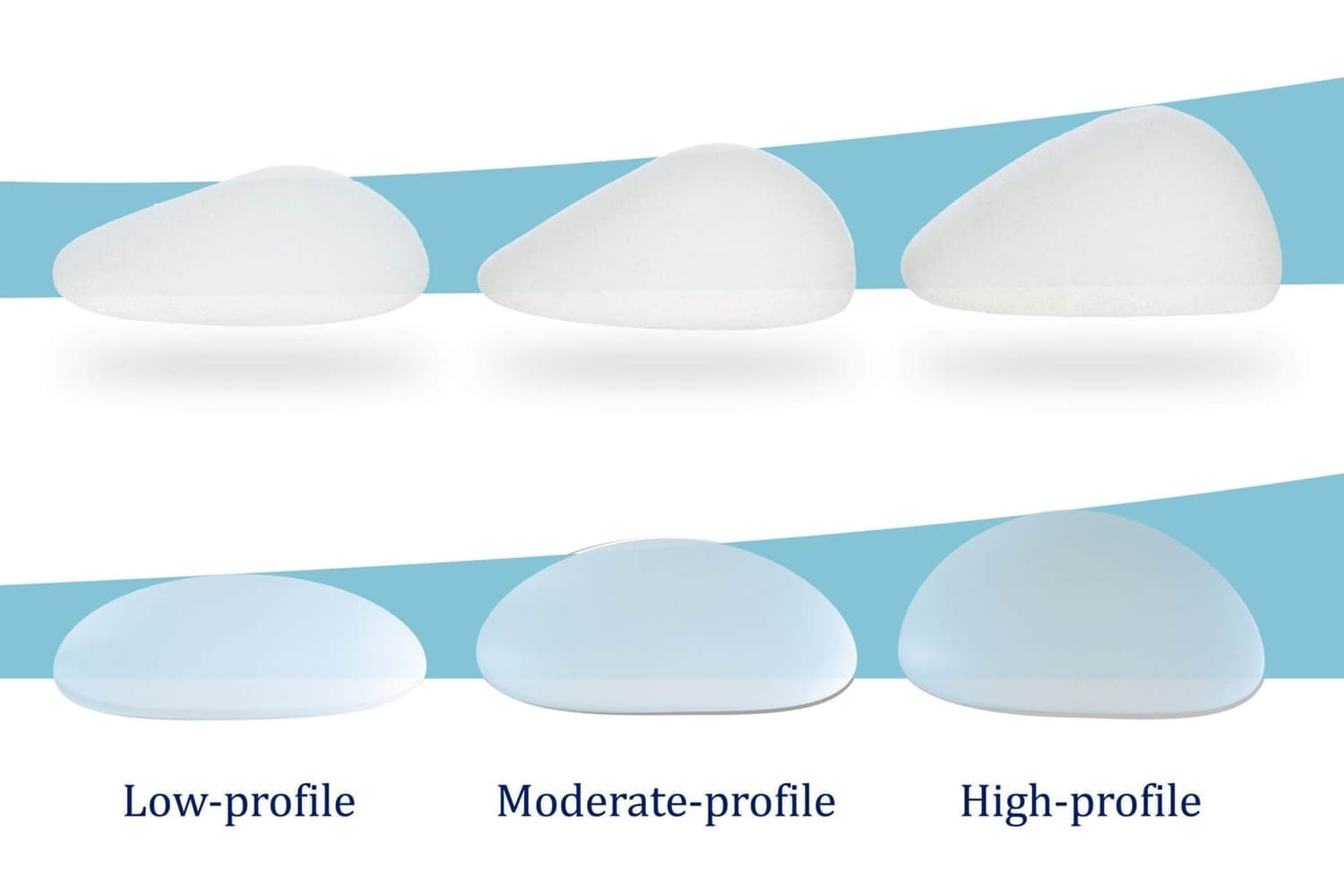
Installation Complications: Modern breast augmentation typically involves:
Placement under the pectoral muscle, requiring muscle detachment from ribs
Potential lowering of the natural breast fold
Risk of asymmetry and nerve damage
Multiple implant size trials during surgery, increasing contamination risk
Removal Complexities: Surprisingly, implant removal is far more complex than installation and is further complicated by a lack of expertise in proper explantation techniques:
Capsule removal from ribs requires careful surgical technique.
Breast reshaping without volume loss demands advanced skills.
Natural fold restoration may be necessary.
Risk of leaving toxic scar tissue if incomplete removal occurs.
Industry and Regulatory Failures
Despite decades of patient reports, the FDA and manufacturers have minimized risks:
The FDA hid over 446,000 adverse event reports related to implants.
Investigations uncovered 6.8 million additional hidden reports across various medical devices.
Many safety studies are industry-funded, designed to downplay harms.
FDA has failed to mandate comprehensive safety studies.
The breast implant industry mirrors pharmaceutical industry practices:
Plastic surgeons conducting safety studies often have financial ties to manufacturers.
Medical journals may publish biased research from industry-funded authors.
The same surgeons promoting recalled implants now advocate for new technologies.
Current informed consent processes are inadequate:
Risks are presented as rare when they may be common.
Long-term complications aren't properly discussed.
Patients receive little time to consider decisions.
Alternative summary reporting has hidden the true scope of problems.
Patient Experiences and Recovery
Cultural pressure often plays a huge role in women’s decisions. Many feel implants are necessary for relationships, careers, or self-worth. But thousands of women found that when they became sick enough, vanity quickly gave way to survival.
Women have reported dramatic improvements after proper explantation:
Immediate reduction in inflammation
Improved energy and cognitive function
Resolution of autoimmune symptoms
Enhanced overall quality of life
Some women require additional treatment for heavy metal toxicity, lingering infections, or autoimmune conditions triggered by their implants.
Some follow up support systems include:
Detoxing with infrared saunas, lymphatic drainage, and gentle detox therapies
Nutrition, anti-inflammatory diet, and gut repair protocols
Functional medicine, naturopathy, energy-based therapy to rebalance the body
If You Have Implants:
Watch for changes in breast appearance, unexplained symptoms, or declining health.
Find surgeons experienced in explantation who understand BII and can perform complete capsule removal.
Get multiple opinions to broaden your options.
Seek testing for heavy metals and underlying infections.
Monitor your health closely even if you feel fine.
If You Are Considering Implants:
Research thoroughly and understand that implants require lifetime maintenance with replacement every 10-12 years.
Select board-certified, experienced plastic surgeons with extensive experience in both augmentation and explantation.
Evaluate whether the risks align with personal values and health priorities.
Consider alternatives such as fat transfer or external prosthetics.
Get the FDA’s black box warning checklist.
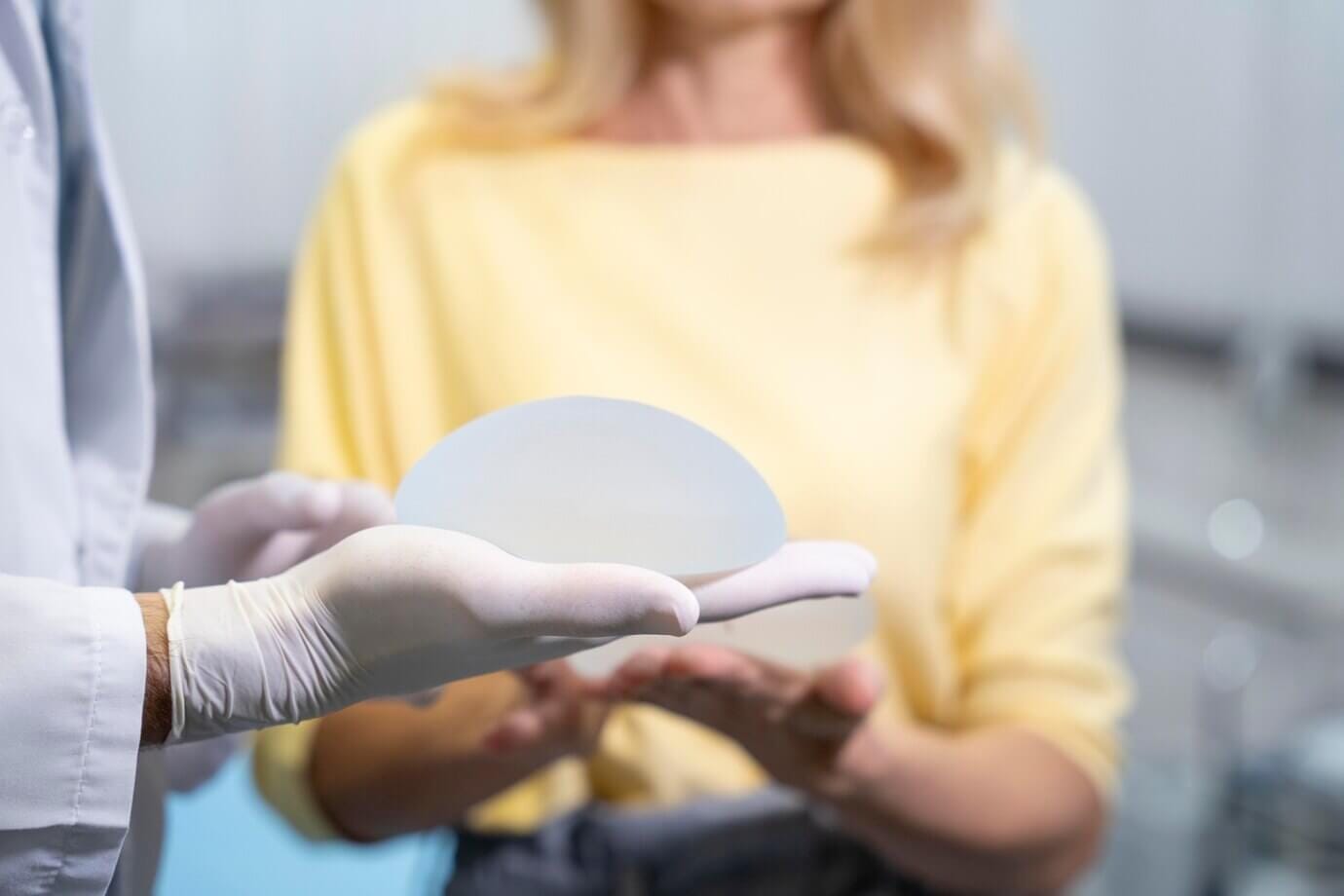
Breast implants may provide psychological benefits for some women. However, women are not told the full story about their choice.
From chemical exposure to autoimmune disease to cancer, the dangers are real and often ignored by those profiting from a lucrative industry.
Your body is not a trend. Your health is priceless.
The beauty of a woman is not in the clothes she wears, the figure that she carries, or the way she combs her hair. The beauty of a woman must be seen from in her eyes, because that is the doorway to her heart, the place where love resides. ~ Audrey Hepburn

References
Breast Implants - You Don't Know What You Don't Know with Amanda Porta
The Shocking Dangers of Breast Implants you have NOT heard before
The Science Behind Breast Implant Illnesses | Laura Miles | TEDxUCO
Could your breast implants be making you sick? - Harvard Health
Breast Augmentation Risks & Complications | American Board of Cosmetic Surgery
Are Breast Implants Safe? 6 Risks & Complications | RealSelf News
Breast Implant Illness [BII]: What It Is, Symptoms & Treatment

Hi, I'm Ellen...
... and I am a writer, coach, and adventurer. I believe that life is the grand odyssey that we make of it.
I would like to help you live a truly magnificent and happy life no matter your age and current situation.
You deserve to experience your hero’s journey to its fullest.
What are you waiting for?
There is only now and the next choice.
Subscribe to my email list here
your privacy is protected and you can unsubscribe any time
Subscribe to the Triumph and Grace newsletter
your privacy is protected - unsubscribe any time