
Triumph
and
Grace
Hair Coloring
Hair coloring is one of humanity's oldest beauty rituals – not quite as old as makeup rituals – but it’s been part of human culture for thousands of years.
It is estimated that 50% of women and 10% of men over age 40 are dyeing their hair on a regular basis. It’s familiar and millions are doing it, but how safe is it really?
Here is what the research shows.

Ancient Egyptians as far back as 1500 BCE used henna to cover gray hair and eyebrows, yielding a reddish-brown color.
Greeks and Romans mixed palettes from saffron, indigo, and leeks. In medieval Venice, women sat for hours in the sun with pastes of honey, alum, and sulfur to achieve fashionable blonde tones.
Queen Elizabeth I's famous red hair sparked a Europe-wide trend for saffron and sulfur powders. Experiments included quicklime, lead combs, and urine to lighten or darken hair.
Natural ingredients took a backseat in the 19th century. In 1856, chemist William Henry Perkin accidentally created the world's first synthetic dye while trying to synthesize quinine. By the 1860s, para-phenylenediamine (PPD) had been developed – a powerful compound that made bold, long-lasting color possible.
French chemist Eugène Schueller built on this in 1907, inventing the first commercial synthetic hair dye and later founding L'Oréal. Their ad campaign: Because I’m Worth It.
By the 1950s, brands like Clairol had brought box dye to drugstore shelves everywhere, making hair coloring at home easy and affordable. Their ad campaign: Does she or doesn’t she?

The type of hair dye and usage frequency matter when measuring the potential health impact. Permanent dyes are by far the most common.
Temporary dyes stay on the hair shaft surface and wash out in one or two shampoos. They have the lightest chemical footprint.
Semi-permanent dyes penetrate the hair shaft slightly and wash out in five to ten shampoos. They have more staying power and more chemical exposure.
Permanent [oxidative] dyes cause lasting chemical changes inside the hair shaft and grow out rather than wash out. They carry the heaviest chemical load, and darker shades contain more coloring agents than lighter ones.
Hair dye products contain thousands of chemicals. A few of the most significant to know about:
PPD (para-phenylenediamine) is derived from petroleum and is the chemical that makes color stick. It is a known allergen and potential carcinogen. Labels typically recommend a 48-hour patch test, though reactions can take up to a week to appear.
Ammonia opens the hair shaft to allow color to penetrate. It is irritating to the respiratory system, linked to endocrine disruption, and associated with birth defects at high exposure levels. It’s also the source of that sharp salon smell.
Resorcinol is a bonding agent used in many dyes that has been associated with hormone disruption and thyroid interference.
Formaldehyde appears in some straightening and coloring products and is a known carcinogen. It became prevalent in chemical hair relaxers in the early 2000s, replacing safer lye-based formulas.
Your scalp is more absorbent than most other skin – chemicals applied there can enter the bloodstream relatively quickly, and with regular use, they accumulate over time.
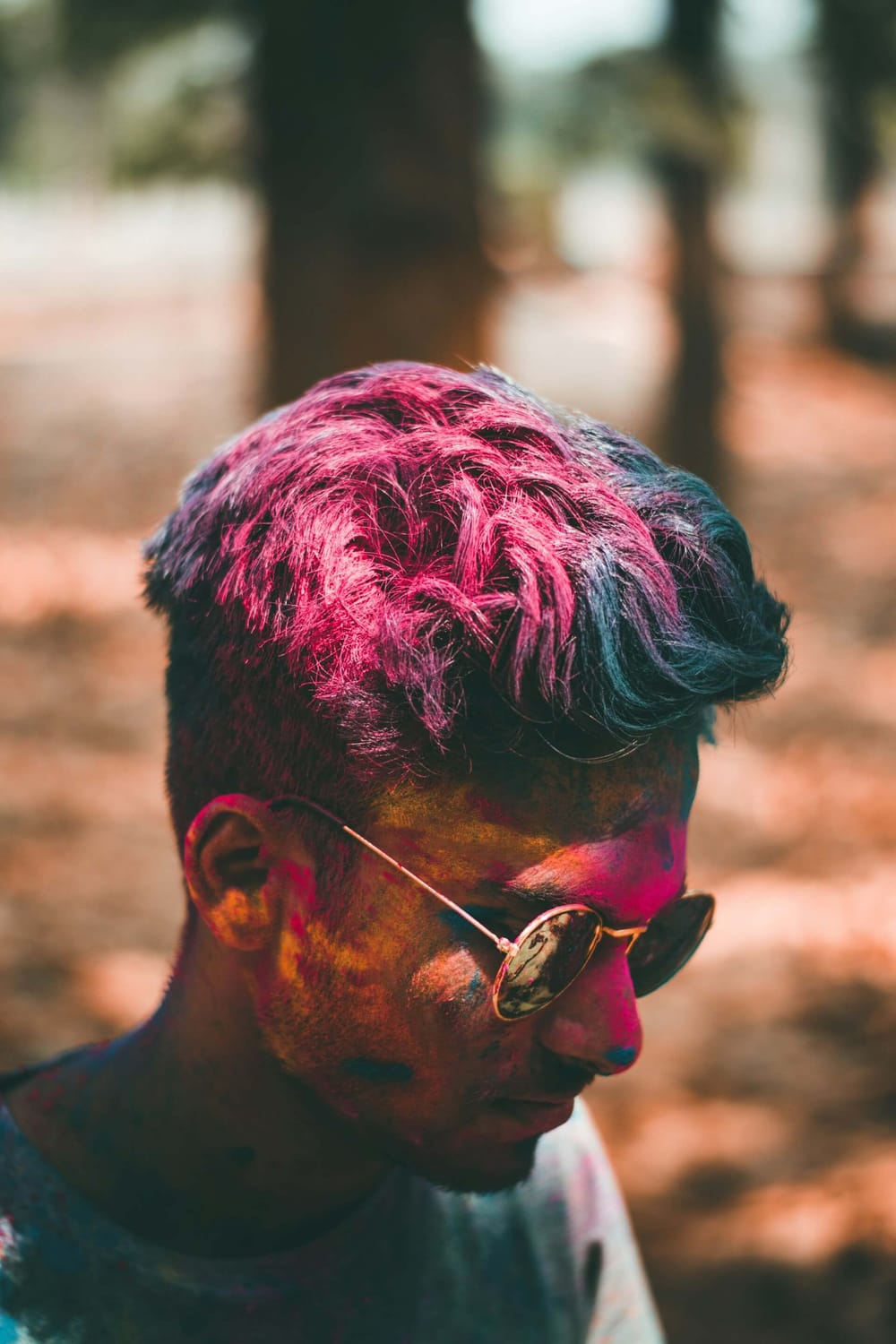
For personal users, people who color their own hair every few weeks or months, the picture is more reassuring.
The landmark Nurses' Health Study tracked over 100,000 women for 36 years and found no overall increase in cancer risk among hair dye users compared to non-users. Studies on bladder cancer in personal users have also not found a consistent increased risk.
There are some nuances, however. This same study found that women who used permanent dye over longer periods showed slightly higher rates of certain hormone-negative breast cancers and ovarian cancer. While the researchers defined their findings as inconsistent, they called for further study.
Hair relaxers containing formaldehyde have been linked to roughly a 30 percent higher breast cancer risk in frequent users – a real concern, particularly for the communities where these products have been most heavily marketed.
There is also an important historical dividing line. The dyes used before 1980 were significantly more dangerous than what's available today.
In 1979, the U.S. Food and Drug Administration [FDA] started requiring cancer warning labels on hair dye products, prompting the industry to reformulate and eliminate the most carcinogenic ingredients, namely aromatic amines that are known to cause cancer in animals.
The cancer risk associated with personal hair dye use has dropped considerably since then. There is currently no conclusive evidence to either confirm or rule out a cancer link for personal use hair dyes.
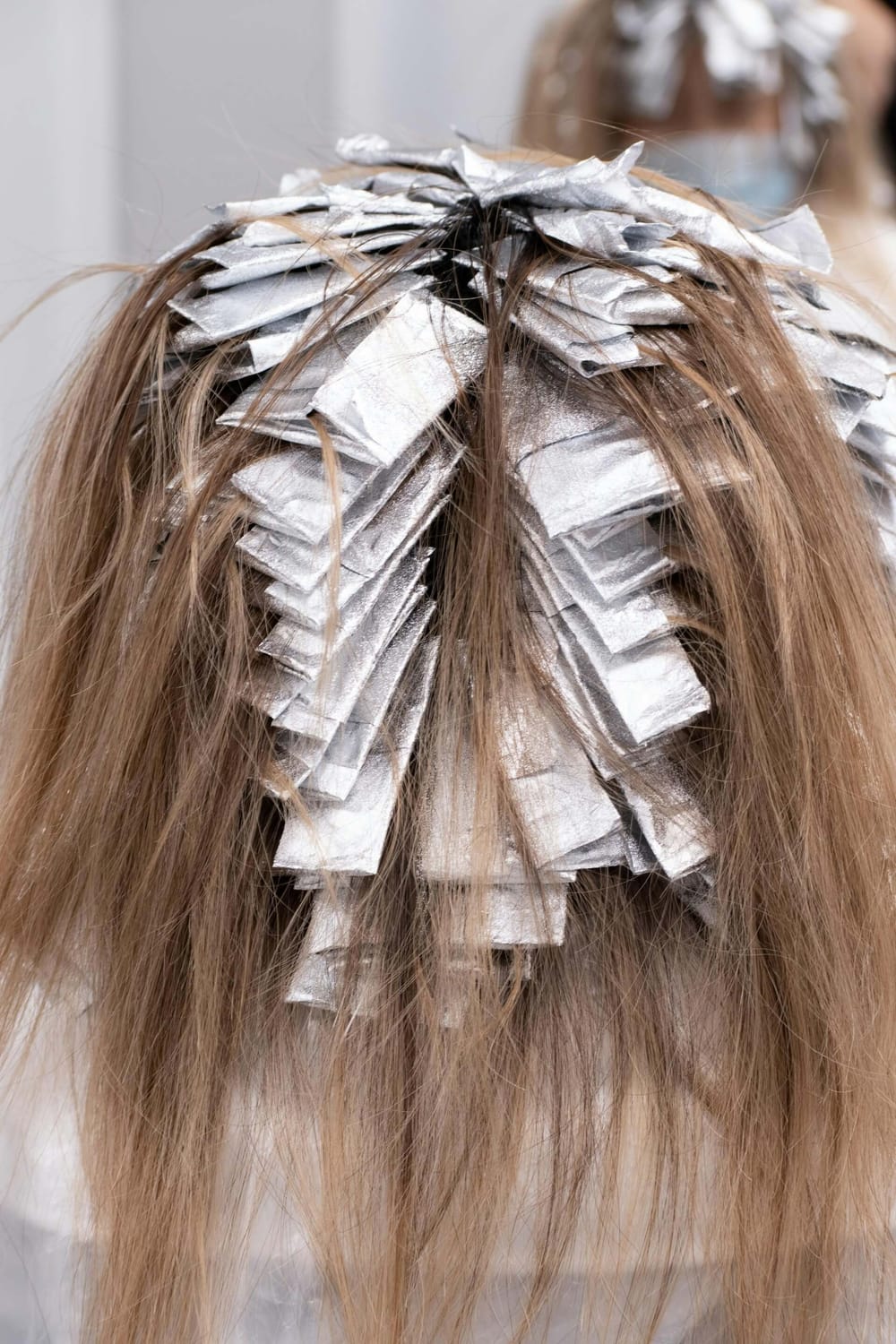
For professional hairdressers and stylists, who routinely work with dyes over many years, the risks are different. Research consistently shows elevated risks of bladder cancer, and some studies point to higher rates of lung and blood cancers as well.
Years of high-volume exposure in enclosed spaces add up. If you work in a salon, it’s worth advocating for better ventilation, wearing gloves consistently, and exploring lower-chemical product lines.
The International Agency for Research on Cancer [IARC], classifies occupational hair dye exposure as possibly carcinogenic.
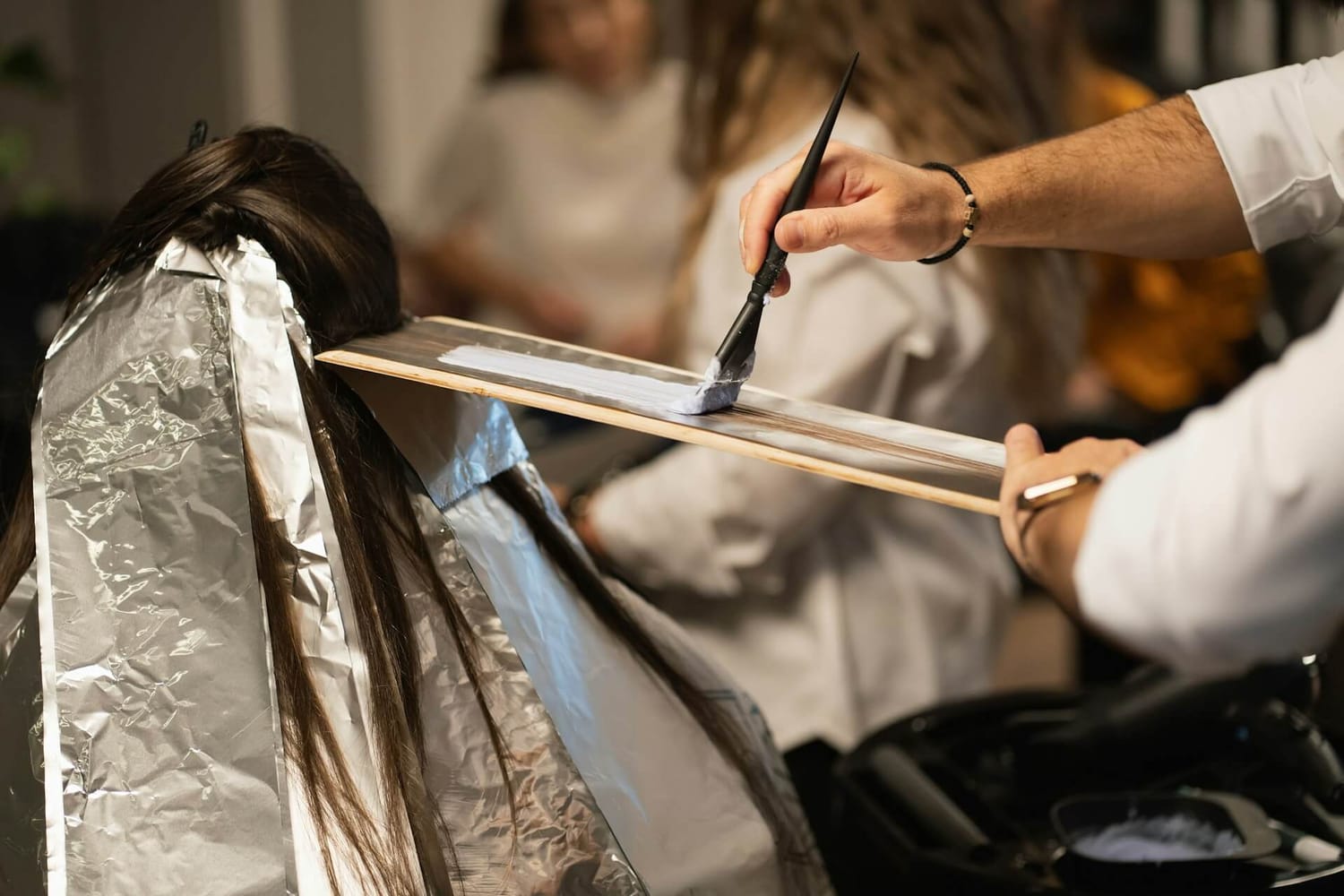
To reduce your chemical exposure, there are some useful options to consider.
Henna is a plant-based dye with a long history. It produces warm red-to-brown tones and is a solid option for covering gray, but it cannot lighten hair, the color options are narrow, and it can be difficult to color over later with conventional dye.
Chamomile and lemon juice can gently lighten fair hair when used with sun exposure. It’s a very low-risk option for subtle brightening, though the results are gradual and modest.
Other plant-based options include indigo for darker shades, cassia for golden tones on light hair, and various herbal rinses. These tend to work better on gray or light hair than on darker natural hair.
Certified organic or "clean" dye brands use fewer harsh chemicals, avoid PPD and ammonia, and test for heavy metals. They are not entirely chemical-free but are an improvement over conventional formulas. Look for certifications and ingredient transparency. Some of these can be brought to your regular salon if your stylist doesn’t already carry them.
For anyone seeking dramatic color changes or very bright, long-lasting results, natural alternatives have limitations. For covering gray or making subtle shifts, the options are excellent.
Other simple steps include spacing out your appointments to reduce chemical exposure and going to a lighter shade. Be sure to work in a ventilated area. Explore cleaner brands for quality color alternatives.
Or… you could embrace changing hair color as part of life’s natural cycle.
Beauty, after all, is an inside job. That is the big secret.



Hi, I'm Ellen...
... and I am a writer, coach, and adventurer. I believe that life is the grand odyssey that we make of it.
I would like to help you live a truly magnificent and happy life no matter your age and current situation.
You deserve to experience your hero’s journey to its fullest.
What are you waiting for?
There is only now and the next choice.
Subscribe to my email list here
your privacy is protected and you can unsubscribe any time
Subscribe to the Triumph and Grace newsletter
your privacy is protected - unsubscribe any time