
Triumph
and
Grace
Oil as Abiogenic
Is Oil Really a Fossil Fuel? The Case for a Living, Breathing Earth
For well over a century, we've been told that petroleum is a "fossil fuel" – formed from the decomposition of ancient organic matter buried in sediments millions of years ago. This is the biogenic theory (meaning "from living organisms"), and it has shaped everything from energy policy to economic forecasts about peak oil.
But what if that story isn't quite true? A growing body of evidence suggests the fossil fuel narrative may be incomplete or flawed.
Reports of oil fields that seemingly refill themselves, combined with decades of research from Russian and Ukrainian scientists, point toward an alternative explanation: that much of Earth's petroleum may originate from deep, abiogenic processes (meaning "not from living organisms") within the planet's mantle.
Petroleum may be a naturally renewing product of the Earth's inner chemistry. It sounds controversial, yet the evidence is accumulating.
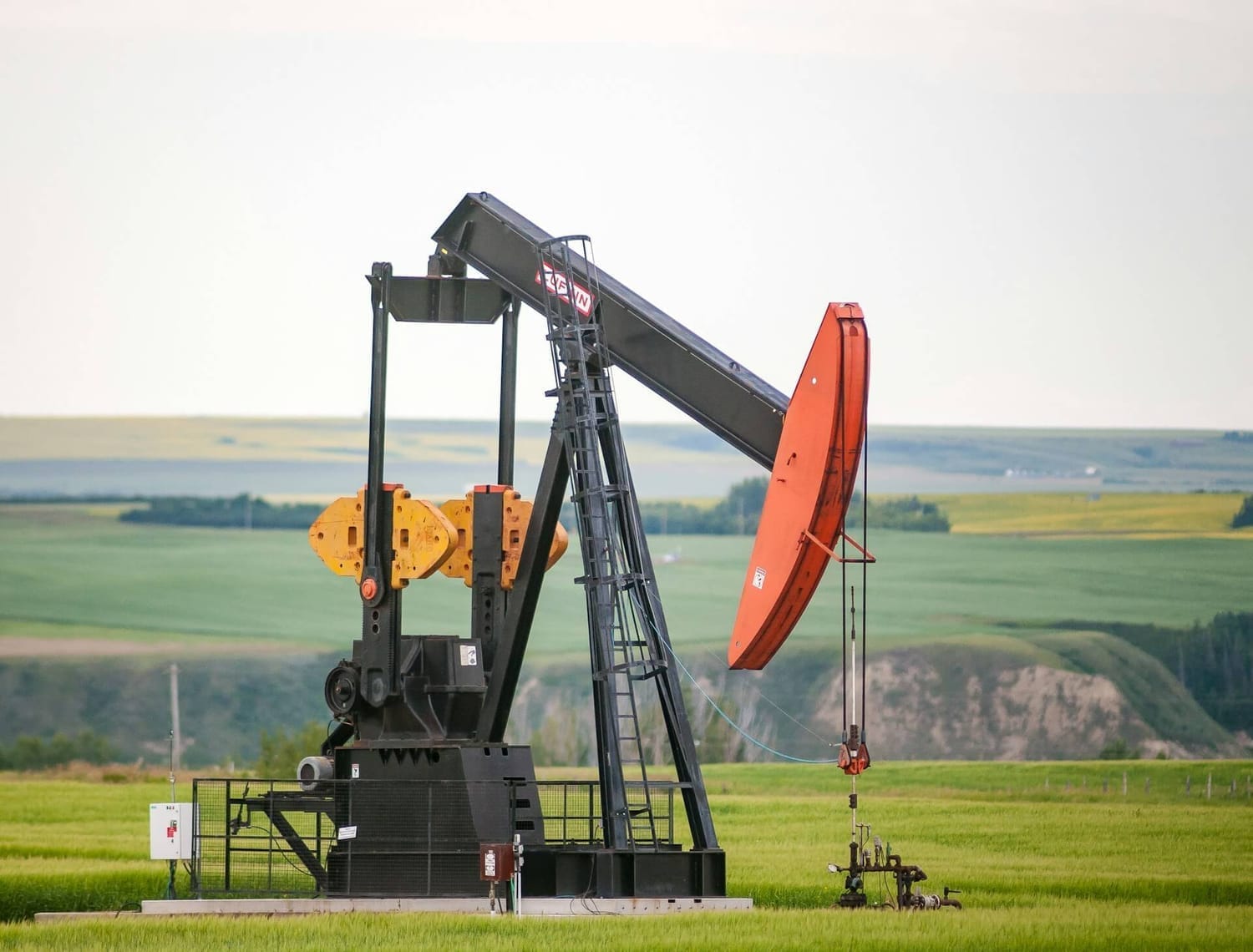
The term "fossil fuel" has murky origins in 18th-century European science. Russian scientist Mikhail Lomonosov proposed in 1757 that rock oil originates from tiny bodies of animals buried in sediments, while German chemist Caspar Neumann used the term when describing coal in 1759. This biological origin hypothesis gained widespread acceptance in the 19th and 20th centuries, becoming so entrenched it was rarely tested against alternatives.
Not everyone agreed, however. In 1951, Soviet geologist Nikolai Kudryavtsev introduced the modern theory of abiogenic petroleum origins. His work, and that of hundreds of Soviet researchers who followed, established that petroleum could be a primordial material of deep origin, erupted from the Earth's mantle through faults and fissures in the crust.

The abiogenic hypothesis – the idea that oil doesn't come from fossils at all, but from natural chemical processes deep inside the Earth – was developed primarily by Swedish, Russian, and Ukrainian scientists during the Cold War, including Vladimir Kutcherov, Vladilen Krayushkin, and Anton Kolesnikov. Austrian astrophysicist Thomas Gold later brought attention to these ideas in the West through his book The Deep Hot Biosphere.
Their claim is simple but profound: Oil is born in the mantle, the layer beneath the crust, where carbon and hydrogen combine under extreme pressure and heat to form hydrocarbons. These materials then migrate upward through cracks and faults, pooling in reservoirs we can access. In other words, the Earth itself is the refinery.
These hydrocarbons form under high-pressure, high-temperature conditions of the upper mantle – between 70 and 250 kilometers deep – through chemical processes involving carbon and hydrogen sources like carbon dioxide, water, and various minerals. These conditions create pressures of 20 to 70 kilobars and temperatures of 600°C to 1500°C.
Laboratory experiments have validated this possibility. Vladimir Kutcherov and his colleagues at the Royal Institute of Technology in Stockholm demonstrated that hydrocarbon molecules can spontaneously form from systems containing iron oxide, calcium carbonate, and water under high pressure and temperature. At 50 kilobar pressure and 1200°C, these simple inorganic materials produced complex hydrocarbon mixtures characteristic of natural petroleum, including methane, ethane, propane, and heavier alkanes.
These experiments, published in Nature Geoscience and Reviews of Geophysics, confirm that oil can form spontaneously under the right geologic conditions. Kutcherov's conclusion was bold: the Earth is continuously producing hydrocarbons, and petroleum is not a fossil fuel but a renewable resource on geological time scales.
These findings align with theoretical thermodynamic analysis conducted by Soviet scientist Emmanuil Chekaliuk, who demonstrated that hydrocarbon molecules require very high pressures for spontaneous formation – pressures comparable to those needed to form diamonds. As he stated in 1968, hydrocarbon molecules are the high-pressure polymorphs of the reduced carbon system as is diamond of elemental carbon.
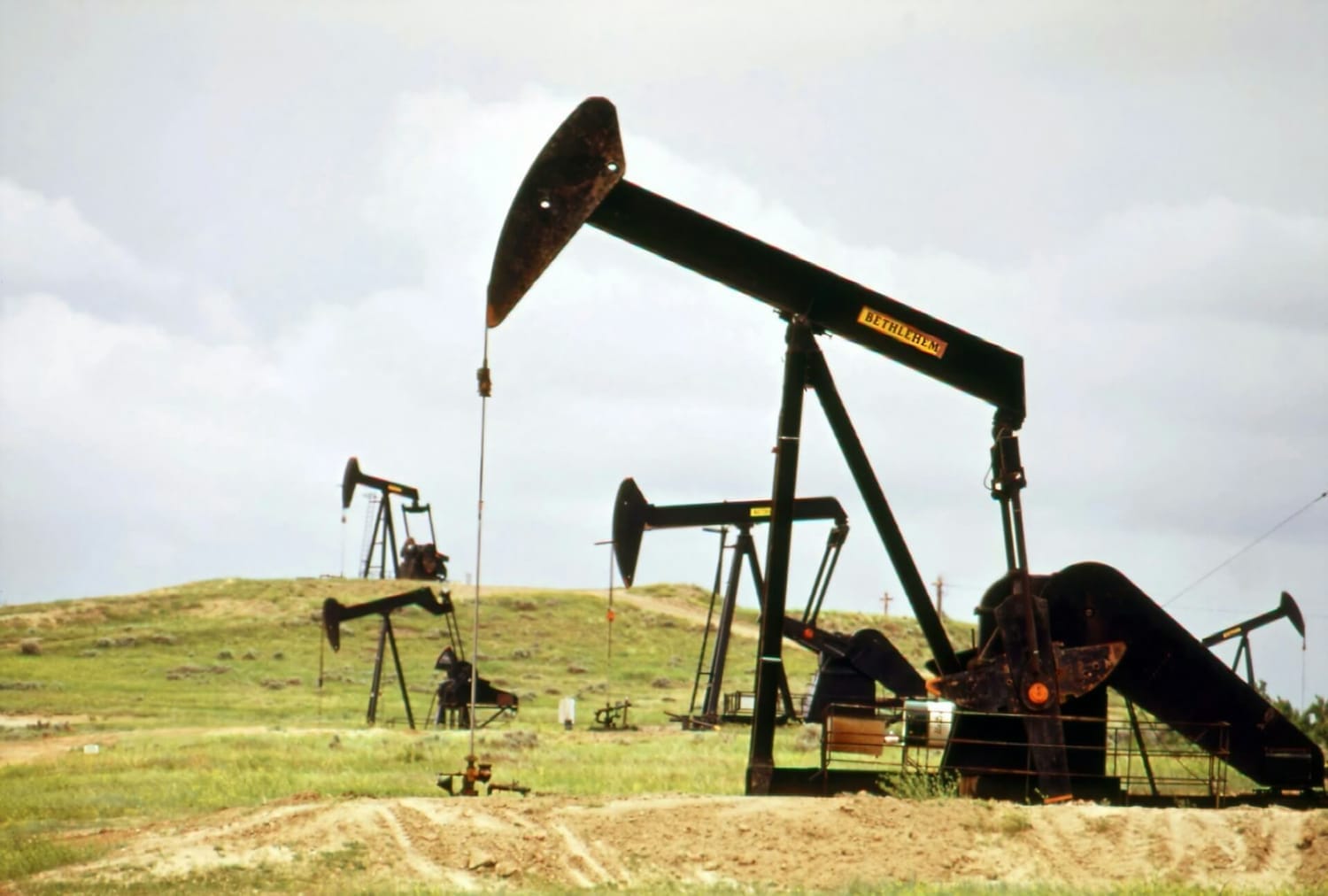
Critics of abiogenic theory often point to "biomarkers” – molecules in petroleum that seemingly could only come from biological sources. This is perhaps the strongest argument for biogenic origins and deserves careful consideration.
However, abiogenic proponents offer alternative explanations. They contend that many biomarker molecules result from microbes feeding on petroleum during its upward migration through the crust, that some are found in meteorites that presumably never contacted living material, and that some can be generated abiogenically through plausible reactions.
The presence of petroleum in locations that predate complex life, or where biological material never existed, supports this interpretation. If biomarkers were absolute proof of biological origin, we would have difficulty explaining petroleum in Precambrian rocks formed before abundant life, or hydrocarbons in deep mantle environments.
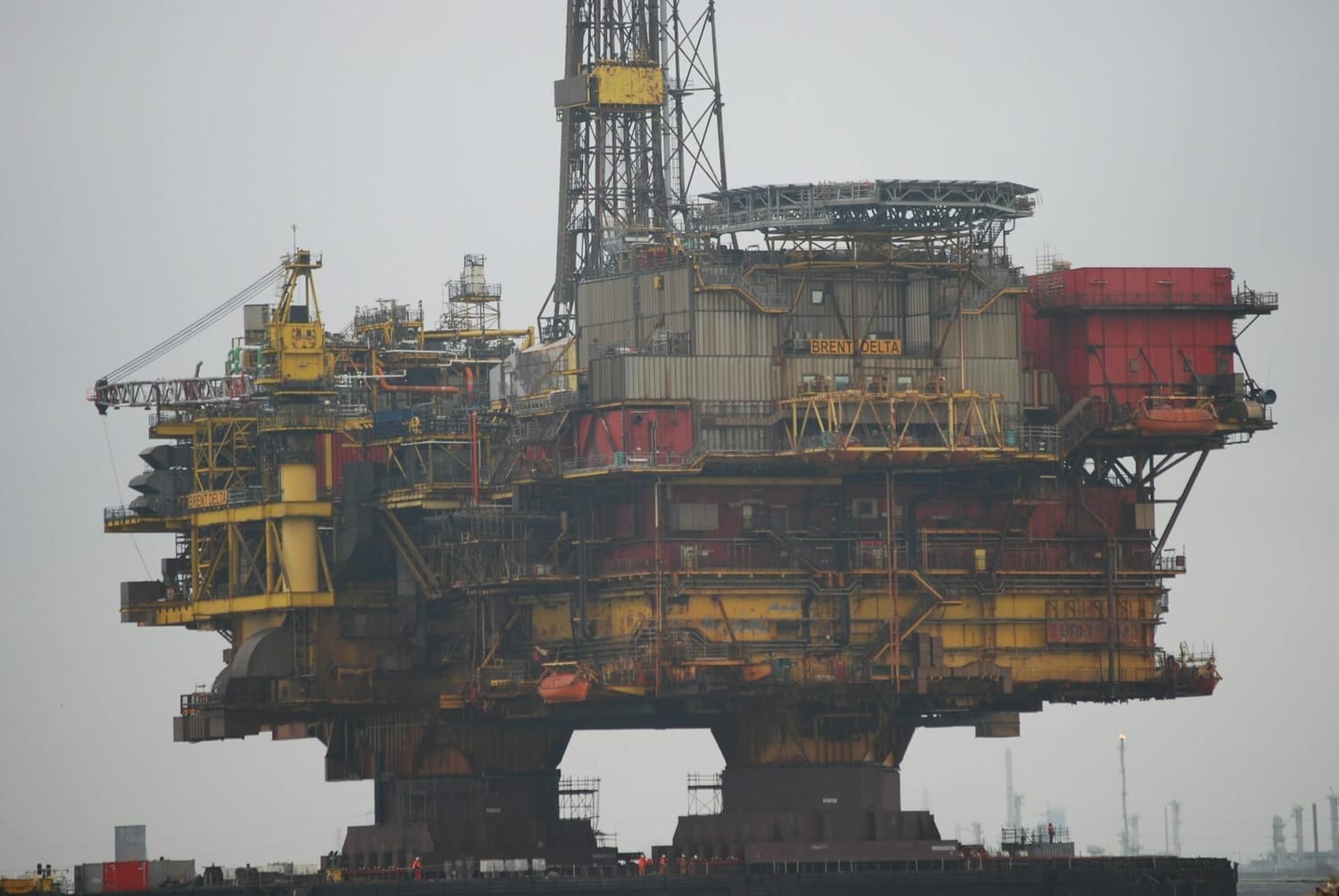
If petroleum forms abiotically in the mantle, we should find hydrocarbons in places where biological source rocks are absent. And we do.
At hydrothermal vents along the Mid-Atlantic Ridge, particularly at the Rainbow site where ultramafic rocks of mantle origin outcrop, scientists have documented methane, ethane, propane, and complex petroleum molecules including n-alkanes from C16 to C29, along with aromatic hydrocarbons. These vents discharge fluids at temperatures of 290°C to 430°C – too hot for any biological activity – yet petroleum is present.
In Precambrian crystalline shields worldwide, petroleum appears where no sedimentary source rocks exist. Throughout the former Soviet Union, more than 80 oil and gas fields in the Caspian district produce from crystalline basement rock – amphibolites, granites, and granodiorites. Western Siberia's cratonic-rift basin contains 90 petroleum fields, with 80 producing partly or entirely from crystalline basement. In Russia and Vietnam, massive oil reserves were discovered in crystalline basement rock where no biological material exists.
In South Africa's Witwatersrand gold mines, methane production through ventilation systems exceeds 500 million cubic meters annually. In Uganda's Lake Albert region, oil fields Kingfisher, Mputa, and Waraga have been discovered in areas surrounded only by Precambrian crystalline rocks and Quaternary clays, with in-place oil resources of 210 million metric tons.
Perhaps most remarkably, diamonds themselves contain evidence of deep petroleum. Studies of primary fluid inclusions in natural diamonds from Africa, Brazil, and Arkansas reveal hydrocarbons including methane, ethane, and propane. Diamonds from Zaire show gas phase compositions of 69.6% water, 20.5% CO2, 4.7% methane, and traces of heavier hydrocarbons – all formed at depths of 70 to 370 kilometers.
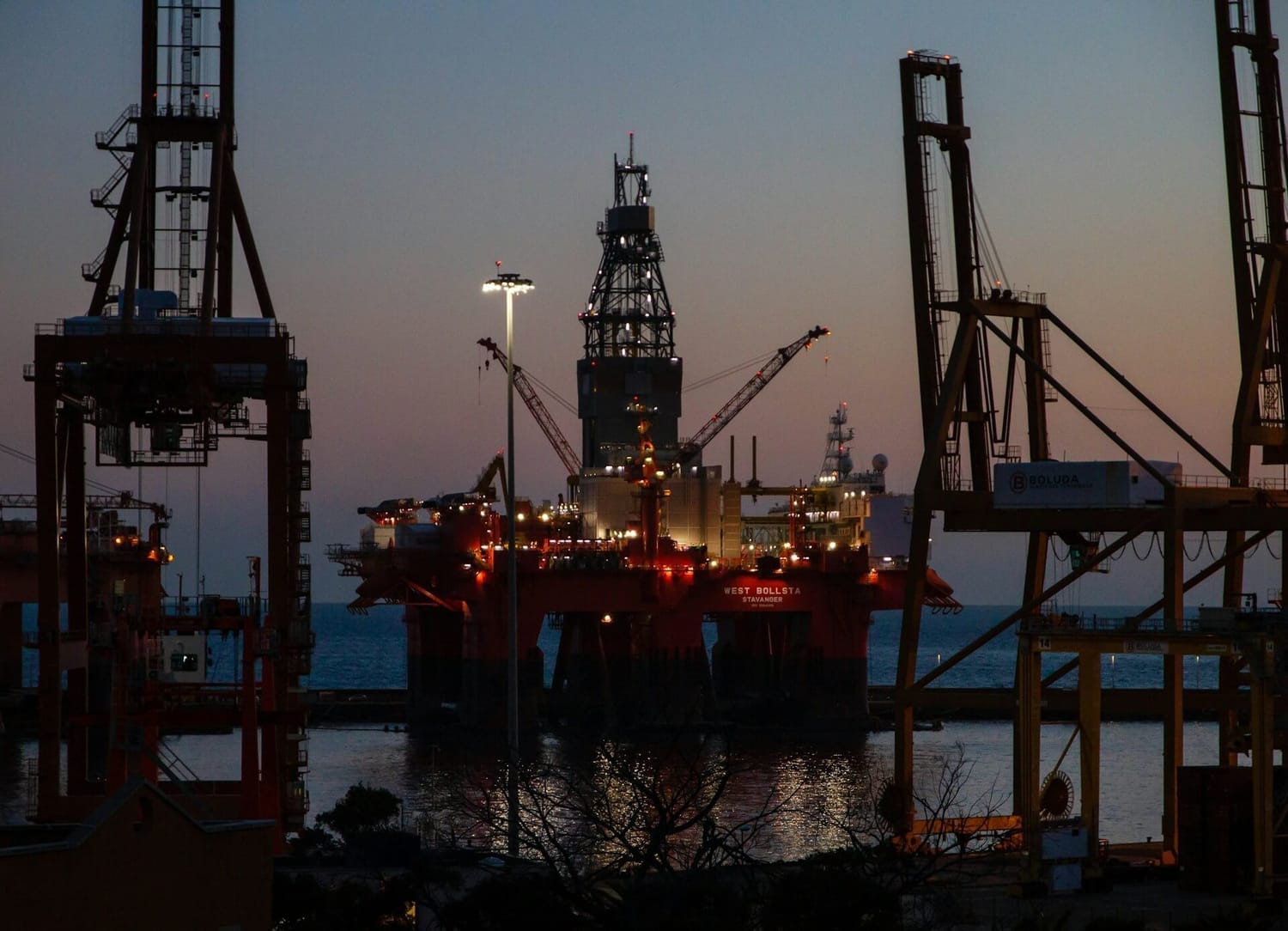
Compelling evidence for abiogenic petroleum comes from oil fields that do not behave as expected. Traditional theory dictates that once an oil reservoir is depleted, it should remain empty, with the ancient organic source having been exhausted. Yet numerous fields worldwide have demonstrated otherwise.
The Gulf of Mexico's Eugene Island Block 330 provides a striking example. Despite heavy drilling, the field's oil output wasn't dropping as expected. Instead, the reservoir seemed to be refilling itself. Scientists, including chemical oceanographer Mahlon Kennicutt and geochemist Jean Whelan, found that the field received new oil and gas from deeper geological layers, with measurements showing rapid fluid changes. The lighter hydrocarbons and gases were being injected upward from deeper layers, replenishing the field in as little as three to ten years.
In Pennsylvania, oil wells that were capped after running dry at the turn of the 20th century have been found to contain oil again decades later.
Similar observations have been made in the Middle East, Oklahoma's deep gas wells, and along the Gulf of Mexico coast. Even in the North Sea, studies found coral-like reefs formed by methane seeps – evidence that hydrocarbons are still migrating upward.
Three giant gas fields in North America – Deep Basin, Milk River, and San Juan – challenge conventional theory. Deep Basin alone contains 12.5 trillion cubic meters of natural gas, while San Juan holds 935 billion cubic meters and Milk River 255 billion cubic meters. These massive volumes are concentrated in tight, impermeable rocks that traditional petroleum geology considers source rocks or seals, not reservoirs.
What makes these fields especially puzzling is their location in synclines – geological depressions where gas should escape rather than accumulate. The gas-saturated rocks grade continuously into water-bearing formations with no visible barriers to prevent upward migration. If buoyancy alone drove petroleum movement, these reserves shouldn't exist.
Seismic scans show massive plumes of gas rising from deep faults, while satellite photos reveal natural oil slicks stretching for miles, even in untouched areas. Petroleum reservoirs might not be static "fossil tanks" but active conduits in a living planetary system.
The practical application of abiogenic theory reached its pinnacle in Ukraine's Dnieper-Donets Basin. In the late 1980s and early 1990s, Ukrainian scientists led by I.I. Chebanenko and V.A. Krayushkin applied abiogenic theory to explore what had been deemed an unpromising region. The northern flank of this basin lacked conventional source rocks and contained an active artesian aquifer – conditions that should have precluded significant petroleum accumulation according to traditional theory.
Drilling 61 exploration wells based on abiogenic principles, 37 proved commercially productive – a 57% success rate. Twelve oil and gas fields were discovered, with proven reserves worth $4.38 billion in 1991 prices (equivalent to $26.3 billion in 2008). The team was awarded Ukraine's State Prize in Science and Technology in 1992.
These fields produce from both Carboniferous sandstones and, crucially, from the crystalline basement rocks themselves. Some fields contain oil pools exclusively in crystalline basement, at depths ranging from several meters to 336 meters below the basement's top surface. The total proven petroleum reserves in this region amount to 289 million metric tons, with prospective in-place resources estimated at 13,000 million metric tons of oil equivalent.

Methane hydrates – "combustible ice" – represent perhaps the largest reservoir of hydrocarbons on Earth. Global resources may amount to 113 × 10^17 cubic meters of methane in hydrate form, with an additional 40 × 10^17 to 53 × 10^17 cubic meters of free natural gas underlying these hydrate layers.
The sheer magnitude of these deposits poses a significant challenge to biogenic theory. The total carbon contained in methane hydrates and underlying free gas – estimated at 114 × 10^17 to 124 × 10^17 tons – is 1,300 to 1,400 times greater than all organic carbon in the atmosphere, biota, soil, fossil fuels, and dispersed organics combined. Where did all this carbon come from if not from biological sources?
The distribution pattern also suggests abiogenic origins. Methane hydrate accumulations occur at depths of 0.4 to 2.2 meters below the seafloor in Recent sediments across 93-95% of the world ocean. Their geometry – with tops subparallel to the seafloor and bottoms intersecting various geological structures – doesn't match patterns expected from biological production and migration.
If hydrocarbons are continually generated deep underground, oil isn't a dead remnant of prehistory – it's part of the Earth's ongoing chemistry. Vladimir Kutcherov describes it as a planetary outgassing process, the same dynamic that once created our atmosphere and oceans. Oil and gas seep upward just as volcanoes vent minerals and gases.
That might explain why methane and other hydrocarbons are abundant on planets and moons that never supported life, such as Saturn's moon Titan. Nature, it seems, doesn't need fossils to make fuel.
If oil is continuously produced, does that mean we'll never run out? Not exactly. The process is ongoing but slow, and new oil doesn't necessarily appear where we want it. But it does mean the planet's total hydrocarbon potential is vastly greater than we've been led to believe.
Kutcherov estimates that the world's oil supply could be practically inexhaustible on a geological scale – a claim that, if true, would upend everything from energy policy to environmental economics. Researchers like Thomas Gold argued that deep Earth methane could be humanity's ultimate energy reserve – clean-burning and self-renewing.
This perspective helps explain why predictions of imminent petroleum exhaustion have consistently proven wrong. For decades, analysts have warned of peak oil and impending energy crises, yet known recoverable reserves have grown steadily. Since 1946, the international petroleum industry has discovered at least five new tons of recoverable oil for every three consumed.
The abiogenic framework also opens new exploration frontiers. Traditional Western exploration has largely ignored crystalline basement targets, focusing instead on sedimentary basins with presumed organic source rocks. The success of abiogenic-theory-guided exploration in Ukraine and Russia demonstrates the practical value of this alternative framework.
Traditional petroleum geologists remain unconvinced. They argue that most oil clearly matches organic source rocks geochemically, that abiotic hydrocarbons exist but only in small quantities, and that refilled wells may simply be drawing oil from nearby formations rather than regenerating anew.
These are legitimate concerns, and the debate continues. Even NASA's discoveries of methane on Mars and Titan, while intriguing, provide only indirect support for abiogenic processes on Earth.
The evidence for abiogenic petroleum origins challenges fundamental assumptions about energy resources. While Western petroleum geology remains largely committed to biogenic theory, decades of Soviet and Russian research, combined with field discoveries and laboratory validation, suggest both processes likely contribute to Earth's hydrocarbon inventory.
The dogmatic adherence to purely biogenic origins has potentially limited exploration and underestimated reserves. What matters most is not winning an academic debate but accurately understanding Earth's hydrocarbon systems to optimize exploration, recovery, and energy planning.
If oil fields can indeed recharge from deeper sources, if petroleum continuously forms in the mantle, and if crystalline basement rocks can host major reserves, then the 21st century may see not peak oil but peak discovery – a revolution in how we understand and access Earth's hydrocarbon wealth. The question is whether the petroleum industry will embrace this paradigm shift or cling to century-old assumptions that have always been incomplete.

References
Fletcher Prouty Explains Invention and Use of Term "Fossil Fuels"
How Did Fossil Fuels Get Their Name
Do Fossil Fuels Really Come from Fossils? | Britannica
Oil Fields Are Refilling...Naturally - Sometimes Rapidly
Scientists Prove Abiotic Oil Is Real!
Deep‐seated abiogenic origin of petroleum: From geological assessment to physical theory
Considerations about Impending Shortages of Petroleum
Abiogenic petroleum origin - Wikipedia
Geophysics - What is the origin of oil? - Earth Science Stack Exchange

Hi, I'm Ellen...
... and I am a writer, coach, and adventurer. I believe that life is the grand odyssey that we make of it.
I would like to help you live a truly magnificent and happy life no matter your age and current situation.
You deserve to experience your hero’s journey to its fullest.
What are you waiting for?
There is only now and the next choice.
Subscribe to my email list here
your privacy is protected and you can unsubscribe any time
Subscribe to the Triumph and Grace newsletter
your privacy is protected - unsubscribe any time