
Triumph
and
Grace
Botox
Do you know anyone who uses Botox treatments? You may and not be aware of it. Estimates range from 3.6 to 7 million treatments in the United States alone each year.
No longer the exclusive domain of image-conscious celebrities, that smooth and wrinkle-free skin might easily be yours... so the cosmetic clinicians tell you.
Can you look younger with just a few tiny injections? Is external beauty that simple? It’s non-surgical. It’s popular. How bad can it be?
The truth is always more complex. While Botox is marketed as a harmless lunchtime procedure, the ripple effects on your body and even your brain are far from trivial.
Let’s take a closer look at what Botox is, how it works, and what the true costs are.
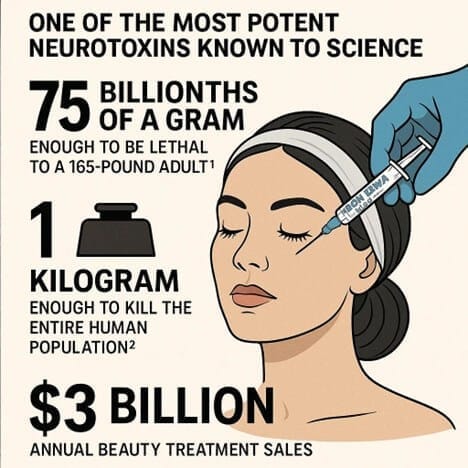
Botox is the brand name for botulinum toxin type A, one of the most potent neurotoxins known to science. It is made from the same bacteria that causes botulism [that life-threatening kind of food poisoning].
In its purest form, Botox is so potent that just 75 billionths of a gram can kill an adult who weighs 165 pounds. Yet, diluted and injected into your face, it has become a $3 billion-a-year industry.
How does it work? When injected into facial muscles, Botox blocks nerve signals, specifically acetylcholine, the neurotransmitter that tells your muscles to contract.
This temporary paralysis creates the smoothing effect people desire. But muscles are designed to move, and when they’re forced into long-term paralysis, both the muscles and the brain begin to adapt in unanticipated and undesirable ways.
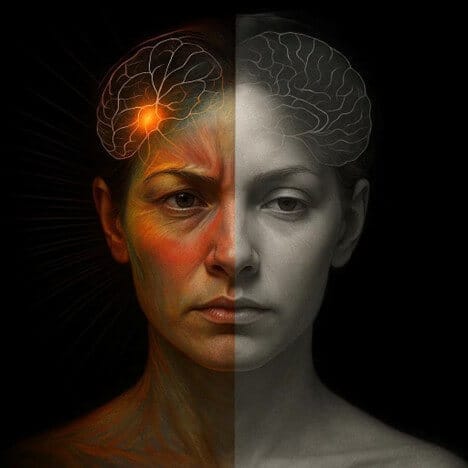
Your facial expressions aren't just displays of emotion – they actively participate in creating those emotions. When you smile, the muscular feedback from your face amplifies feelings of joy. Similarly, frowning can intensify negative emotions.
Botox disrupts this ancient feedback loop. When you try to frown after injections, your muscles simply cannot contract, and crucially, no sensory signal returns to your brain. This disconnection has measurable consequences for how your brain processes emotions.
Recent neuroimaging studies reveal that Botox injections significantly alter activity in the amygdala – your brain's emotional processing center. When the amygdala tries to process negative emotional stimuli, the brain must work differently because the facial feedback has been eliminated.
Most concerning is the impact of Botox on empathy, which relies on mirror neurons – those specialized brain circuits that fire both when you perform an action and when you observe others doing the same thing.
These neurons give you the ability to feel with someone else through the unconscious mimicry of their expressions.
Studies on people before and after Botox injections show reduced emotion recognition accuracy and impaired social cognition.
A 2010 study found that people with Botox injections were slower to understand emotional words, particularly those related to anger. This suggests that facial expressions aren't just outputs of emotion – they're integral to how we comprehend emotional meaning itself.
Research shows that Botox can blunt positive emotions, dampen emotional intensity, and slow emotional processing.
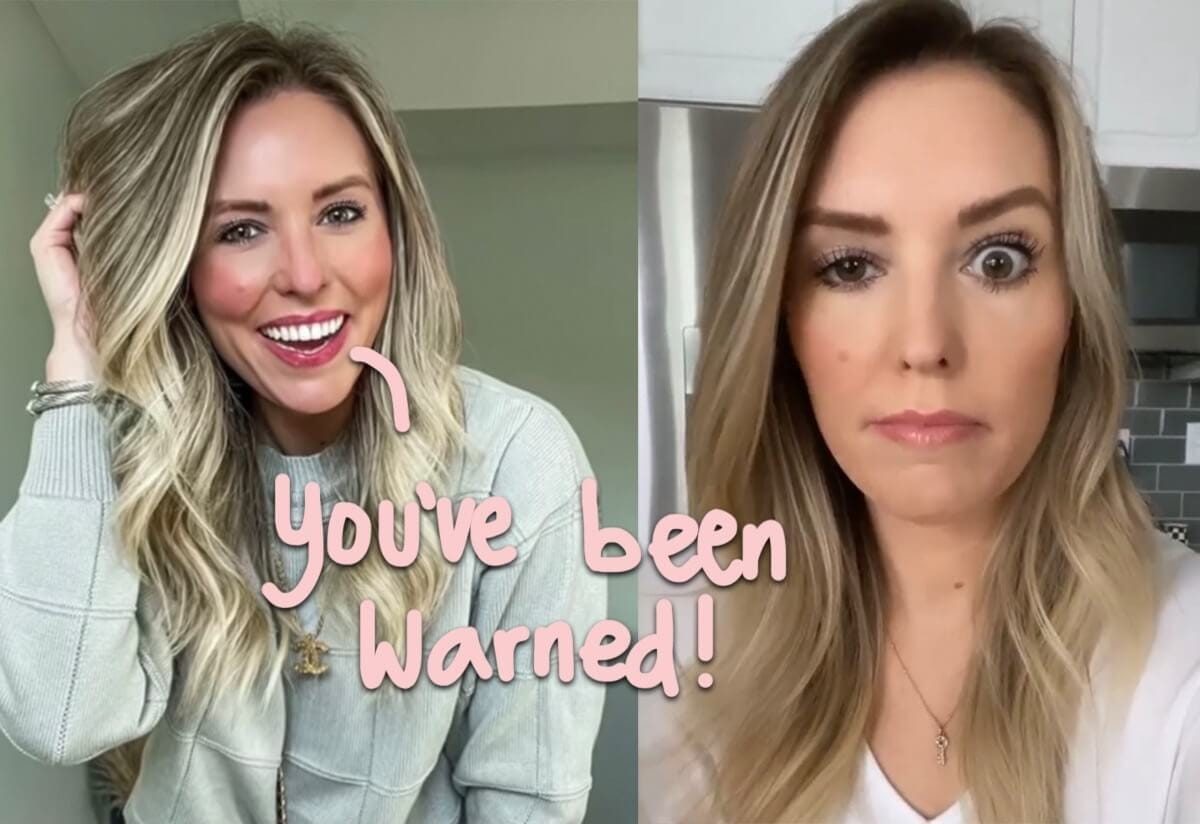
Beyond the serious neurological implications, there are other immediate physical risks. Common side effects can include:
Pain, swelling, and bruising at injection sites
Droopy eyelids or eyebrows
Blurred or double vision
Trouble swallowing, speaking, or even breathing
Muscle weakness in surrounding areas
Insomnia and heart palpitations
Anxiety and panic attacks
Headaches that can last 24-48 hours or longer
Facial asymmetry or frozen expressions
Long-term research on Botox may be limited, but emerging studies raise important concerns. Botox generally wears off after about three to four months, so consumers tend to repeat the procedures to maintain the results.
Regular use can lead to long-lasting or even permanent changes in muscle composition and function, potentially lasting years after the last injection. Some research suggests the brain's face map [the neural territory dedicated to facial muscles] may shrink with repeated paralysis.
The greater risks of long-term use can include:
Muscle Weakness and Atrophy
Botox Brain and Emotional Blunting
Changes in Brain Mapping
Cognitive and Social Consequences
Add to these factors the ongoing financial commitment, and this beauty alternative isn’t too attractive.

Physical beauty may be very important to you. What are the alternatives to pursue?
Healthy habits make healthy bodies.
If you prioritize your diet, sleep, hydration, and exercise regimens, you can be hale and healthy your entire life.
Seek out holistic approaches to skin care products.
Spend time in nature.
Keep a sound mind.
Live your life.
Find joy in the everyday world.
Internal beauty lasts forever, and it always shines through to the outside.
The years may leave some external marks – you can wear them with honor.
You are too important to do otherwise.

References
What Are the Long-Term Effects of Botox?
7 Side Effects of Botox to Know Before Getting Injections
Are there long-term health risks to using Botox?
5 Botox Side Effects You NEED To KNOW | Anti-aging Tips by The Budget Derm
Dr. Berg's Opinion on Botox | What is it and is it Safe?
‘It was really horrific!’: we investigate hidden dangers of Botox

Hi, I'm Ellen...
... and I am a writer, coach, and adventurer. I believe that life is the grand odyssey that we make of it.
I would like to help you live a truly magnificent and happy life no matter your age and current situation.
You deserve to experience your hero’s journey to its fullest.
What are you waiting for?
There is only now and the next choice.
Subscribe to my email list here
your privacy is protected and you can unsubscribe any time
Subscribe to the Triumph and Grace newsletter
your privacy is protected - unsubscribe any time