
Triumph
and
Grace
Nutrition and Behavior
What if the key to reducing violence, improving academic performance, and enhancing mental health wasn't found in medication or therapy, but on our kitchen tables?
Renowned neurosurgeon Dr. Russell Blaylock has spent decades researching this overlooked connection: how the foods we eat directly influence our behavior, mood, and decision-making abilities.
He has more than a quarter-century of medical experience and is not afraid to challenge conventional thinking when the research shows otherwise. The focus of his work includes:
The brain's high metabolic demands and sensitivity to nutrition
The dramatic increase in sugar consumption and its behavioral effects
Real-world evidence from prison and school studies
The role of nutritional deficiencies in behavioral problems
Food allergies that affect brain function
Practical solutions for improving brain health through nutrition
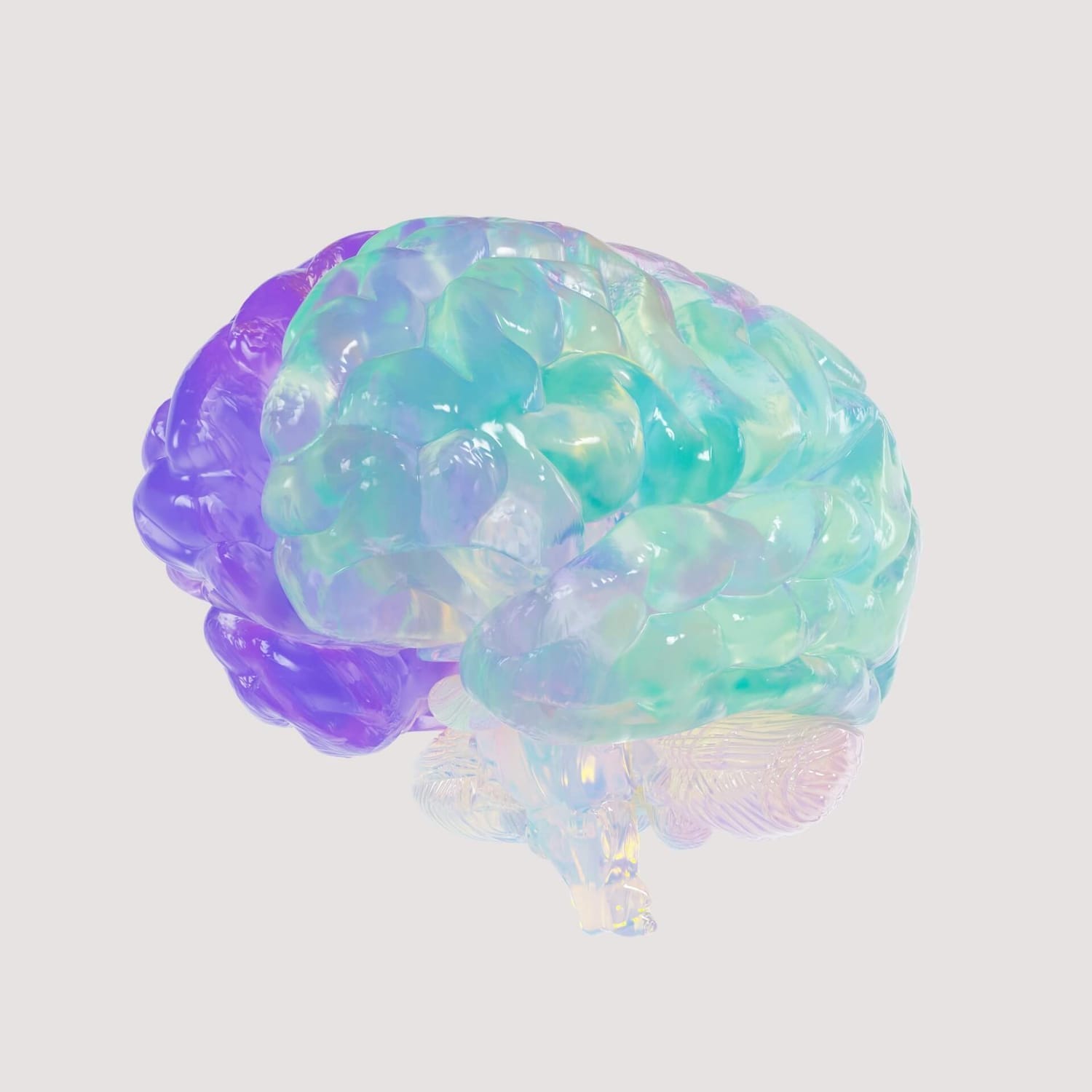

To understand why nutrition has such a profound impact on behavior, we first need to appreciate how metabolically active our brains are. The brain consumes 20% of all oxygen and 25% of all glucose in our blood. It's a high-performance organ that runs 24/7.
This makes the brain highly sensitive to nutrition. When essential nutrients like omega-3 fatty acids are deficient, brain function can quickly deteriorate.
Perhaps the most striking finding in Dr. Blaylock's research concerns sugar consumption. In 1900, Americans consumed about 4 pounds of sugar per year. Today, that number has skyrocketed to 129 pounds annually. This dramatic change coincides with rising rates of behavioral problems, violence, and mental health issues.
When we consume excessive sugar, our bodies release more insulin to manage blood glucose levels. Too much insulin can cause blood sugar to crash below normal levels, creating a condition called reactive hypoglycemia. Dr. Blaylock estimates that 50% of the U.S. population experiences this condition.
In this situation, the body goes into emergency mode, releasing stress hormones like epinephrine and norepinephrine, while the brain releases glutamate, a neurotransmitter associated with excitability. This leads to hyperactivity, aggression, and impulsive behavior.

Other real-world results include the work of Barbara Stitt, a probation officer in Ohio, in her groundbreaking studies on diet and criminal behavior. She found that:
Offenders who remained on diets high in sugar and processed foods had a 56% rate of probation violations.
Those switched to healthier diets saw violations drop to just 8%.
Similar patterns emerged with drug abuse: 47% of those on poor diets continued using narcotics versus only 13% of those on improved diets.
The Alabama prison system reported a 42% reduction in violent incidents and a 61% reduction in antisocial behavior after improving the inmates' nutrition. These weren't minor adjustments – they represented fundamental changes in human behavior through food alone.
The Oklahoma Children's Center found that young offenders experienced a 43% reduction in serious crimes when switched from high-fat, high-sugar diets to nutritious alternatives. The EEG brain scans showed measurable improvements in brain function, with abnormalities dropping from 14 different types to just 2.
A massive study involving 1.1 million New York public school students examined the effects of basic nutritional interventions on academic performance. Simply removing sugar and artificial additives while providing basic multivitamins produced dramatic improvements in test scores year after year.
The Egger and Carter 1985 study of 76 hyperactive children found that 82% improved on a low-carbohydrate diet that eliminated artificial dyes and additives, with 28% returning to completely normal behavior.

Despite living in an advanced industrial society, nutritional deficiencies are surprisingly common.
National surveys of American adolescents reveal alarming gaps:
60% are deficient in iron
57% lack adequate vitamin A
43% are deficient in vitamin C
39% don't get enough vitamin B1
30% lack sufficient protein
Each of these deficiencies can contribute to behavioral problems, poor concentration, and mood disorders.
The research consistently shows that the most violent offenders have the greatest number of nutritional deficiencies.

One of Dr. Blaylock's more intriguing discoveries involves the impact of food allergies on the brain.
When people eat foods that they're allergic to, undigested food particles can enter the bloodstream through a leaky gut, triggering immune responses that affect brain function.
The most common problematic foods include:
Wheat and gluten (73% of cases)
Milk (68% of cases)
Chocolate (55% of cases)
Soy products
Swedish researchers found that 88% of schizophrenic patients were allergic to wheat, with 100% showing sensitivity to gluten.
When these patients followed gluten-free diets, their symptoms were often resolved completely but returned quickly if they consumed even small amounts of gluten.

Today's food environment works against optimal brain function in multiple ways:
Omega Fatty Acid Imbalance: Since 1900, our ratio of omega-6 to omega-3 fatty acids has shifted from a healthy 1:2 ratio to a problematic 1:46 or higher ratio. This imbalance promotes inflammation and impairs brain function.
Hidden Sugars: About 57% of our sugar intake comes from processed foods, not from sugar we consciously add. Teenagers consume the equivalent of 54 teaspoons of sugar daily from sodas alone.
Artificial Additives: Substances like aspartame and MSG can trigger insulin release, leading to hypoglycemia and behavioral problems.
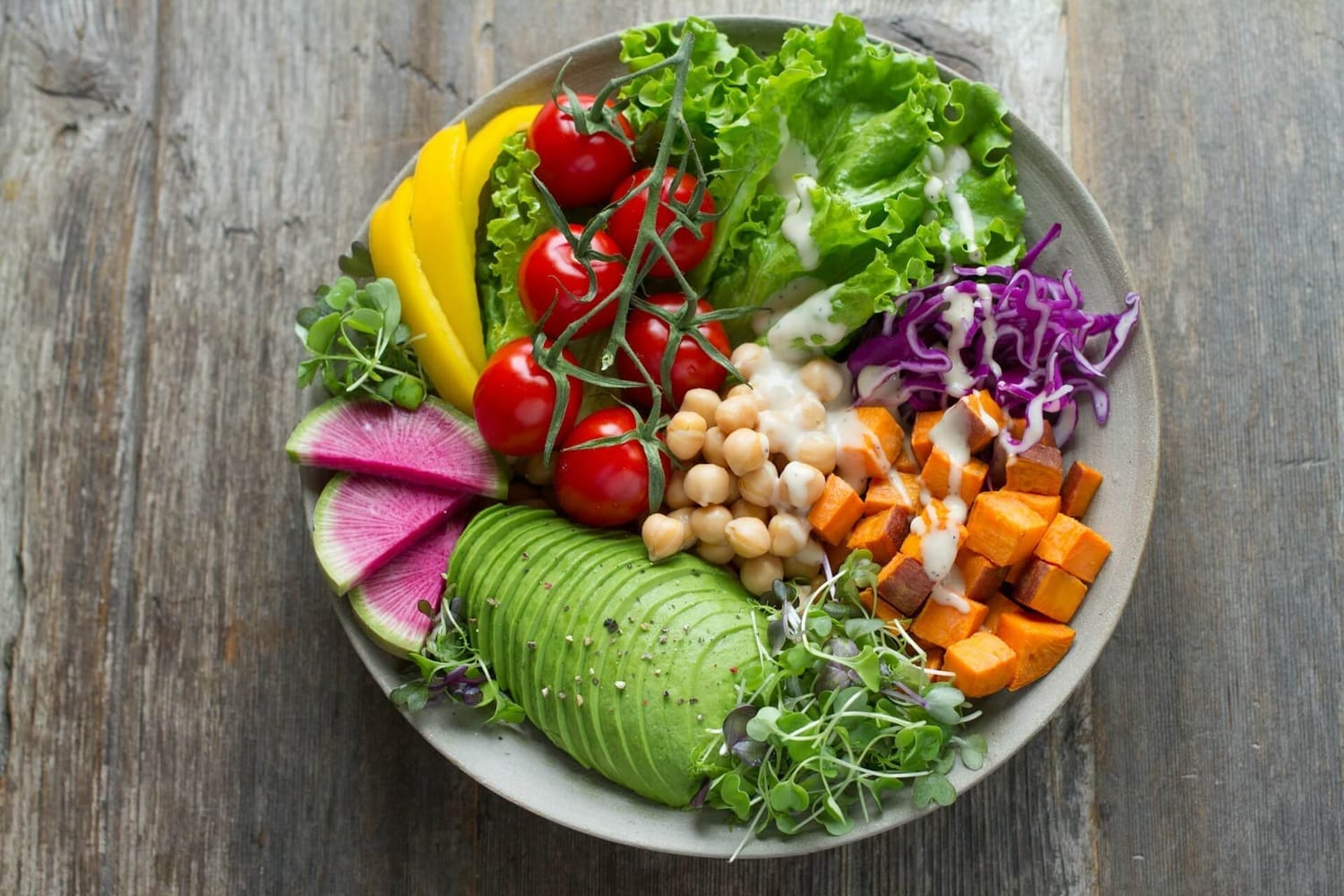
There is good news.
Adults who have struggled with behavioral issues for years can experience dramatic improvements through nutritional interventions.
Children respond even more quickly, often showing changes within days or weeks.
Strategies include the following:
Stabilize Blood Sugar: Avoid processed foods, sugary drinks, and refined carbohydrates. Focus on whole foods that provide steady energy release.
Address Deficiencies: A high-quality multivitamin can make a significant difference, as demonstrated in multiple prison and school studies.
Increase Omega-3 Intake: Fish oil supplements or omega-3 rich foods can improve mood, reduce aggression, and enhance cognitive function.
Identify Food Sensitivities: Test for food allergies, particularly to wheat, dairy, and soy, which are common triggers for behavioral problems.
Emphasize Antioxidants: Fruits and vegetables provide crucial protection against the free radical damage that occurs in metabolically active brain tissue.

The key takeaways of Dr. Russell Blaylock’s research are:
The Power of Proper Nutrition – Good nutrition can significantly enhance memory, mood, and behavior, leading to better academic performance, improved social behavior, and lower aggression levels. Poor nutrition can contribute to behavioral and mental health issues, violence, crime, depression, and even suicide.
The Role of Micronutrients – Even small deficiencies in vitamins, minerals, and omega-3 fatty acids can have profound effects on behavior.
Food Allergies and Behavioral Issues – Common allergens like gluten, milk, and soy can cause significant changes in brain function and lead to conditions like aggression, impulsivity, and hyperactivity.
Blood Sugar and Behavior – Hypoglycemia can lead to heightened aggression, impulsivity, and erratic behavior. Diets high in processed foods and sugar can increase violent tendencies and antisocial behavior.
Behavioral Changes Through Diet – Blaylock cites several studies where healthy changes in diet led to dramatic positive shifts in behavior.
The Role of Neurotransmitters – Nutrition affects the brain's production of serotonin and dopamine, which regulate mood, aggression, and behavior. Diets high in processed carbohydrates interfere with these neurotransmitters.
Impact of Environmental Toxins – Environmental toxins, such as mercury, lead, and pesticides, can accumulate in the brain. Found in the food chain, they contribute to neurodegeneration, impaired behavior, and increased aggression.
Food Additives and Behavior – Certain food additives, including MSG (monosodium glutamate) and artificial dyes, can trigger negative behavioral reactions, ADHD, and hyperactivity.
What most people don’t realize is that food is not just calories; it’s information. It actually contains messages that connect to every cell in the body. ~ Dr. Mark Hyman


Hi, I'm Ellen...
... and I am a writer, coach, and adventurer. I believe that life is the grand odyssey that we make of it.
I would like to help you live a truly magnificent and happy life no matter your age and current situation.
You deserve to experience your hero’s journey to its fullest.
What are you waiting for?
There is only now and the next choice.
Subscribe to my email list here
your privacy is protected and you can unsubscribe any time
Subscribe to the Triumph and Grace newsletter
your privacy is protected - unsubscribe any time