
Triumph
and
Grace
Birth Control Pills
For over 60 years, birth control pills have been marketed as a miracle solution for women – liberating them from the risk of unwanted pregnancy, managing acne, and regulating menstruation.
However, behind the pill dispenser and societal acceptance is a more complex and unsettling truth.
Let’s unpack the science, history, and overlooked side effects of hormonal birth control, which includes injection methods.
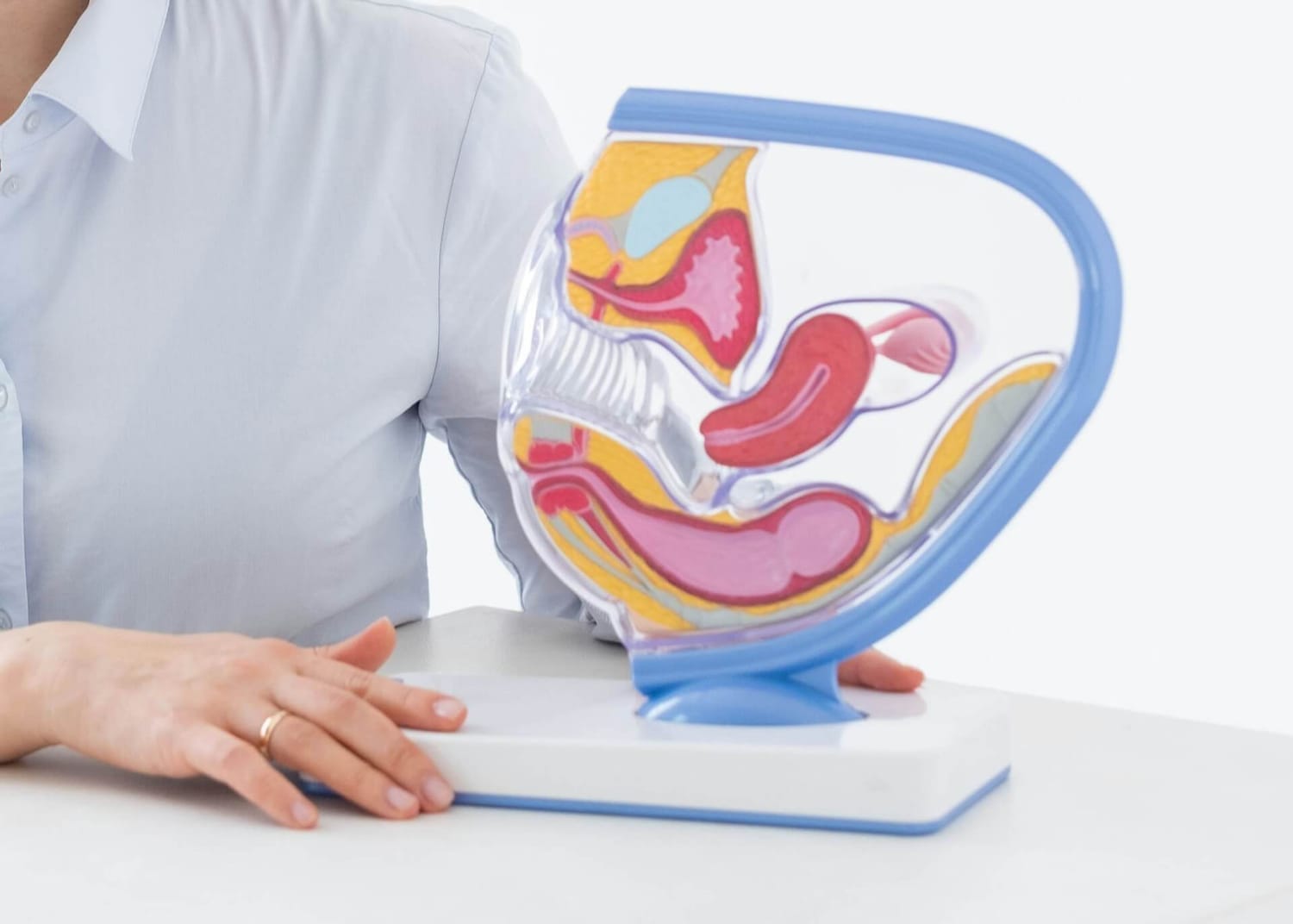
Birth control pills contain synthetic hormones – typically combinations of estrogen and progestin, or progestin alone in "mini-pills." These hormones work by:
Shutting down ovulation and mimicking pregnancy
Thickening cervical mucus to prevent sperm from reaching an egg
Thinning the uterine lining to reduce the likelihood of implantation
Side effects may include the following and are dismissed as normal:
Nausea and vomiting
Breast tenderness
Headaches and dizziness
Mood changes, anxiety, irritability, aggression
Weight fluctuations and increased appetite
Spotting between periods
Diminished libido

More serious health risks include:
Increased risk of blood clots, heart attack, and stroke – especially if over 35 or a smoker – with some brands carrying higher risk [Yaz, Yasmin]
Breast cancer risk up by 24% for current users – higher if starting as a teenager
Liver tumors, gallbladder disease, and hypertension
Depleted vitamin and mineral nutrients such as B complex, vitamin C, magnesium, zinc
Diminished bone density and compromised immune system

Of note – and less well-known – are the mental health risks of using birth control pills vs. women who do not use them.
Hormonal birth control doesn’t only change the menstrual cycle – it alters brain chemistry.
Teenagers seem to be at higher risk, yet they are among the highest prescription demographic.
Women on the pill have a 70% higher risk of depression.
80% of adolescent girls are likely to be prescribed antidepressants.
Users are twice as likely to attempt suicide and triple the risk of completed suicide.
In addition, the ensuing risk-free “hookup culture” and increasingly rare intimacy have left men and women lonely, unfulfilled, and disconnected.

Unplanned childlessness is more and more common. Women are encouraged to delay motherhood and make a career first.
However, biology doesn’t wait, and diminished fertility is real.
Fertility starts to decline at age 27 with a sharp drop after age 30 and a dramatic decline after age 35. Sure, you may know women who had babies in their 40s, but this is rare and difficult.
Women may find themselves childless although that was not their original plan. They simply ran out of time or never recovered their natural fertility once they stopped taking birth control pills.
Of course there are other endocrine disruptors that affect fertility: BPA in plastics, pesticides in food, phthalates in cosmetics, and fluoride in water. The infertility gap is not exclusively caused by birth control pills.
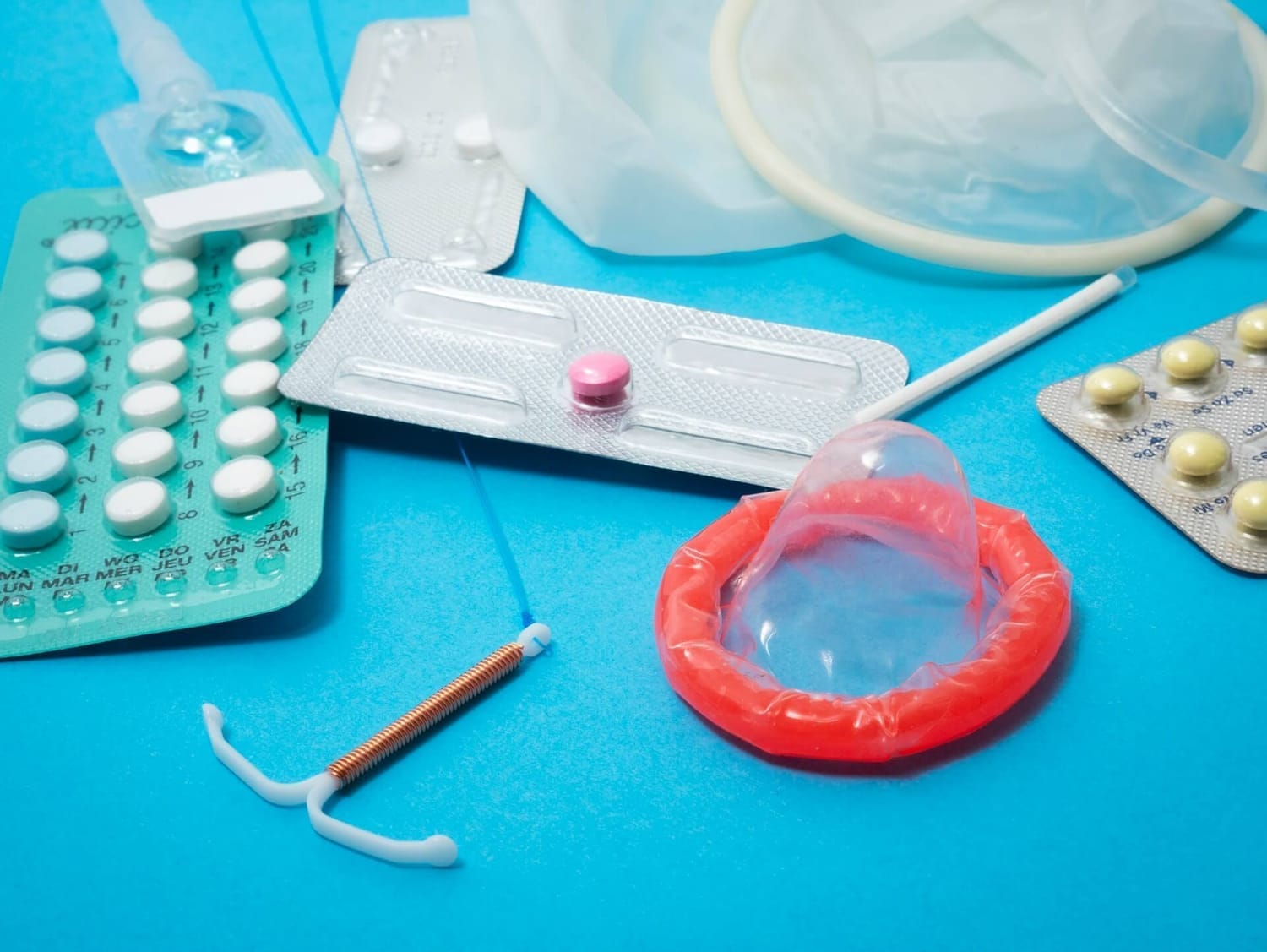
If you plan to use birth control pills or put your daughter on them, here are some questions and talking points to take up with your doctor.
What are the depression and suicide rates for my age group?
What’s the actual cancer risk, and why is it worth it for acne?
What are the non-hormonal alternatives?
If the pill didn’t exist, how would you treat my symptoms?
Could this affect my fertility later?
Will you document that you informed me of these risks?
How many patients stop due to side effects?
Can we try nutrition or supplements first?
Would you prescribe teenage boys daily steroids for acne?
Show me studies proving long-term safety in teens.
Beware of red flag responses and seek another opinion.
“It’s completely safe.”
“Everyone takes it.”
“You’re overthinking this.”
Birth control pills have a high success rate of preventing pregnancy, and that is why people continue to use them. There are alternatives to research and determine their appropriateness to your situation.
Intrauterine Devices [IUDs]: research carefully for toxicity risks
Barrier methods: condoms, diaphragms
Spermicides
Tubal ligation or vasectomy as a permanent form

As a closing thought… It is easy to find out for yourself that birth control pills were developed by eugenicists seeking to reduce the world’s population. The “magic pills” were marketed to women with a cover story of female liberation.
The result led to a doubling of the workforce and lesser wages, disconnection of women from their natural cycles and maternal instincts, reduction in marriage rates, increase in divorce rates, and, worst of all, plummeting birth rates across developed countries.
There is a way forward if we become informed and take back our health to build a better future.

References
The Birth Control Deception: What 60 Years of Lies Cost Women
This Is Your Brain on Birth Control: How the Pill Changes Everything (2023)
National Security Study Memorandum 200 - Wikipedia
VERY REVEALING Margaret Sanger Interview MUST SEE ! PLANNED PARENTHOOD
The Birth Control Testimonies - Lies are Unbekoming
Birth Control Pills: Potential Side Effects
Are Some Birth Control Pills Too Risky? - National Center for Health Research
The Shocking Truth About Birth Control

Hi, I'm Ellen...
... and I am a writer, coach, and adventurer. I believe that life is the grand odyssey that we make of it.
I would like to help you live a truly magnificent and happy life no matter your age and current situation.
You deserve to experience your hero’s journey to its fullest.
What are you waiting for?
There is only now and the next choice.
Subscribe to my email list here
your privacy is protected and you can unsubscribe any time
Subscribe to the Triumph and Grace newsletter
your privacy is protected - unsubscribe any time