
Triumph
and
Grace
How To Be An Adult
Psychotherapist and author David Richo, PhD, MFT offers us a path for transforming fear-based patterns into emotionally healthy responses.
His book, How to Be an Adult – A Handbook on Psychological and Spiritual Integration, is more than a guide for personal growth – it’s the roadmap for understanding and integrating psychological and spiritual maturity.
Using the framework of the heroic journey, Richo provides insight into how we can move beyond the constraints of childhood experiences and the neurotic ego into fully realized adults capable of loving ourselves and others authentically.
This article will explore the key themes from Richo’s book and how they can help us achieve true adulthood, grounded in self-awareness, healthy relationships, and spiritual wholeness.
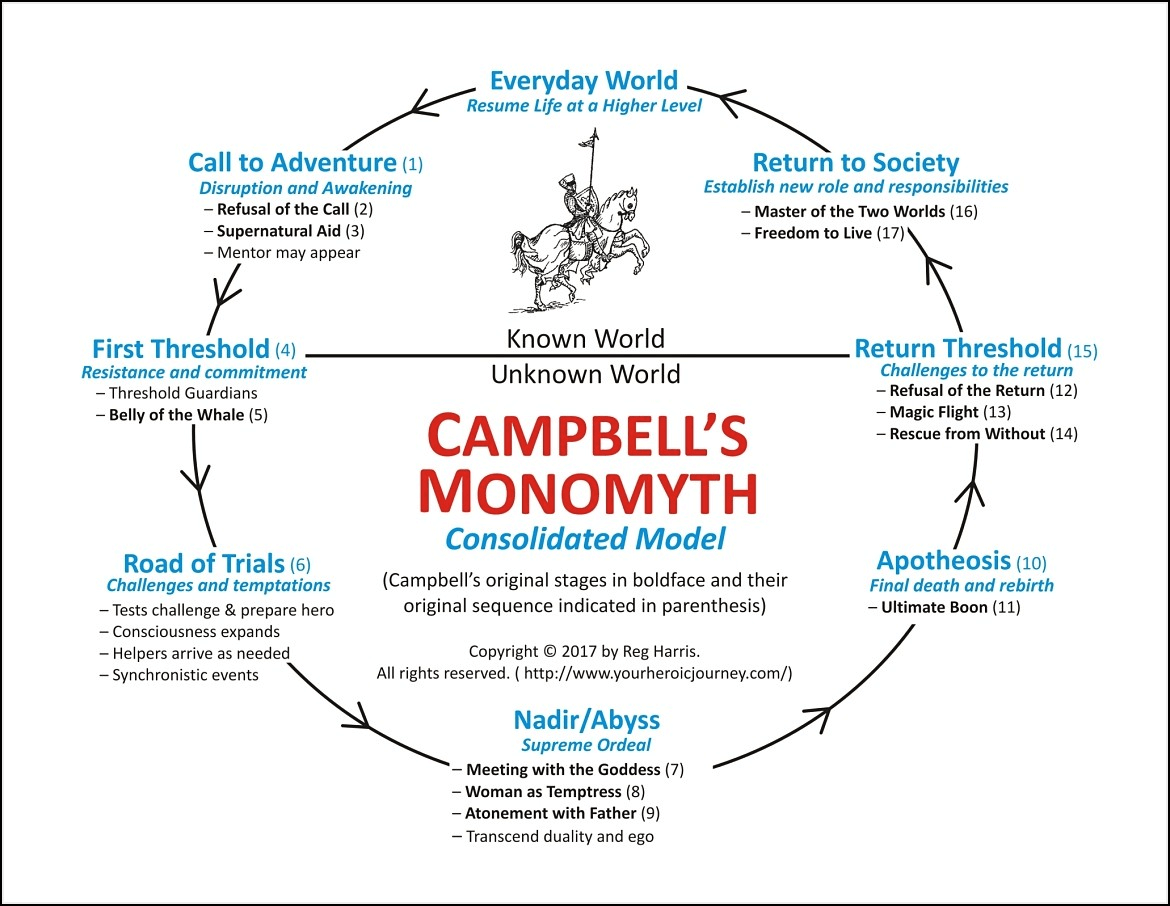
The Hero’s Journey of Personal Growth
Richo draws on the structure of the Hero’s Journey, popularized by Joseph Campbell, to describe the process of maturing. This journey involves three main phases: departure, struggle, and return.
Departure: The first step in the hero’s journey is leaving behind what is familiar – typically, our attachment to illusions and childhood coping mechanisms. In the context of adulthood, this means confronting and letting go of our childhood traumas, dysfunctional patterns, and unrealistic expectations about life and relationships. Departure is psychological and emotional, and it moves us from dependency to independence – where we learn to meet our own needs while remaining open to connection with others.
Struggle: As the hero faces obstacles, so must the individual on the journey to maturity. In this phase, we work through our fears, navigate personal challenges, and take responsibility for our emotional growth. This is when we begin to shed the neurotic behaviors that keep us stuck. Healing old wounds is not about dwelling in the past but understanding how those earlier experiences shape current patterns. Mindful awareness helps us make conscious responses rather than automatic reactions.
Return: The final phase of the journey is one of integration and transformation. As we return to ourselves, we do so with a new sense of self-awareness, embodying love, compassion, and acceptance for who we are. This return symbolizes the realization that we are whole and capable of offering unconditional love to ourselves and others.

The Ego and the Self: From Neurotic to Functional
Central to Richo’s approach is the relationship between the ego and the self. The ego is the part of our consciousness that makes assessments and relates to others. However, the ego can either be functional or neurotic:
Functional Ego: A functional ego allows us to engage with the world effectively, maintaining a healthy sense of self, while allowing for deep connections with others. It is not ruled by attachment, control, or fear but operates from a place of confidence and clarity.
Neurotic Ego: When the ego becomes dominated by past wounds – such as unmet childhood needs – it turns neurotic. This neurotic ego leads to behaviors like attachment, fear of abandonment, controlling tendencies, and emotional reactivity. It creates conflict in relationships and keeps us stuck in unhealthy cycles of dependence or avoidance.
The path to adulthood, as Richo describes, involves transforming the neurotic ego into a functional one. This transformation happens through self-awareness, healing, and spiritual practices that align us with our true self, the Self.

Healing Childhood Wounds
David Richo stresses that a critical part of maturing is healing childhood wounds. Whether we had loving, nurturing parents or experienced neglect or abuse, our early experiences shape how we relate to others and ourselves as adults.
The process of healing involves:
Mourning the Past: Unresolved childhood pain often manifests in our adult relationships as unmet needs or emotional reactivity. Richo emphasizes the importance of grieving these losses. Only through this process of mourning can we truly let go of the past and move forward with a healed heart.
Integrating Past Trauma: Rather than simply suppressing painful memories, Richo encourages us to revisit them with compassion. By reexperiencing these memories and imagining ourselves acting with strength and assertiveness, we can release their hold over us and integrate the lessons they offer.

The Five A’s: Keys to Healthy Relationships
One of the core concepts in How to Be an Adult is the importance of the Five A’s: Attention, Acceptance, Appreciation, Affection, and Allowing. These are the foundational elements that support healthy, fulfilling relationships – both with others and ourselves.
Attention: Truly seeing and listening to others, offering them our full presence.
Acceptance: Embracing others as they are, without judgment or expectation of change.
Appreciation: Acknowledging and valuing the contributions and qualities of others.
Affection: Offering warmth, care, and tenderness in our interactions.
Allowing: Giving others the freedom to be themselves, without trying to control or limit their expression.
These Five A’s are essential for both our emotional growth and the development of loving, mature relationships. They are not only things we need from others but are also qualities we must cultivate within ourselves to foster genuine self-love and compassion.
Mindfulness: The Path to Self-Awareness
In addition to the Five A’s, Richo underscores the importance of mindfulness for emotional maturity. Mindfulness – being fully present in the moment without judgment – allows us to process our feelings and experiences without being overwhelmed by them.
By practicing mindfulness, we can observe our thoughts and emotions without being controlled by them. This leads to greater emotional clarity, self-awareness, and ultimately, the ability to respond to life and relationships with wisdom rather than reactivity.
Boundaries and Intimacy
Another critical aspect of becoming an adult is learning to maintain healthy personal boundaries while fostering intimacy in relationships.
Boundaries are not walls – they are the limits we set to protect our emotional, physical, and psychological well-being.
Richo teaches that a healthy adult relationship is one in which both partners respect each other’s boundaries while remaining emotionally available. True intimacy involves sharing vulnerably while maintaining a sense of self-respect and autonomy.

Grief and Letting Go
Grief is an essential part of adulthood. As we navigate relationships, we will inevitably experience losses – whether it’s the end of a romantic relationship, the death of a loved one, or even the loss of a dream. Richo emphasizes that grieving is not only natural but necessary for healing.
He tells us that we must learn to:
Accept Loss: Rather than running from painful emotions, we need to allow ourselves to feel grief deeply.
Release Attachments: Grief work helps us release attachments to people, things, and even ideas that no longer serve us.
By fully experiencing and expressing our grief, we free ourselves from the emotional burdens of the past and create space for new growth and connections.

Spirituality: The Ultimate Goal of Adulthood
At its heart, How to Be an Adult is a spiritual guide. Richo believes that true adulthood goes beyond psychological maturity – it involves spiritual growth and the embodiment of genuine self-love.
The ultimate goal is to align our ego with the Self – the part of us that is already whole and perfect. This journey requires accepting life’s challenges, including suffering, imperfection, and change, and responding with love and compassion.
By doing so, we transcend the limitations of the ego and begin to live authentically, from a place of deep inner peace and connectedness with others.

Relationship Dynamics: Embracing Conflict and Growth
David Richo also explores the complexities of relationships, emphasizing that they evolve through various stages – romance, conflict, and commitment.
While romance can provide a fleeting sense of joy, it is conflict that offers the true opportunity for growth and deeper connection.
Conflict as Growth: Rather than avoiding or suppressing conflict, Richo encourages us to view it as an essential aspect of relationship development. Conflict helps partners uncover deeper truths about themselves and each other, leading to a more authentic and lasting bond.
Commitment: The return to commitment signifies the deepening of love and connection. True intimacy is not built on idealization but on mutual respect, understanding, and the willingness to grow together through all challenges.

David Richo’s How to Be an Adult offers a powerful framework for personal transformation. It encourages us to evolve from a neurotic, attachment-driven ego to a mature, self-aware adult capable of loving both ourselves and others.
Through mindfulness, healing, and the cultivation of healthy boundaries and relationships, we can embrace the fullness of adulthood and live with greater authenticity, peace, and love.
The adult isn't someone who has it all figured out, but rather someone who can navigate uncertainty with grace, love despite imperfections, and continue growing throughout life.

References
Dave Richo | Books, Video, CDs on Personal and Spiritual Unfolding
#13 - How to be an Adult - Dave Richo, PhD, MFT (Part 1)
#13 - How to be an Adult - Dave Richo, PhD, MFT (Part 2)
David Richo - Triggers: How We Can Stop Reacting and Start Healing
The Shadow and Integrating our Spiritual and Psychological Work with David Richo
The Five A's - Sonya Thomas LCSW
How to Be an Adult Summary - David Richo - Aure's Notes
Stop Letting Fear Control You: Guide to Freedom and Love | David Richo Explains

Hi, I'm Ellen...
... and I am a writer, coach, and adventurer. I believe that life is the grand odyssey that we make of it.
I would like to help you live a truly magnificent and happy life no matter your age and current situation.
You deserve to experience your hero’s journey to its fullest.
What are you waiting for?
There is only now and the next choice.
Subscribe to my email list here
your privacy is protected and you can unsubscribe any time
Subscribe to the Triumph and Grace newsletter
your privacy is protected - unsubscribe any time